 Quận Lanshan, Nghe, Tỉnh Sơn
 info@wstmaterials.com
 8615588128836
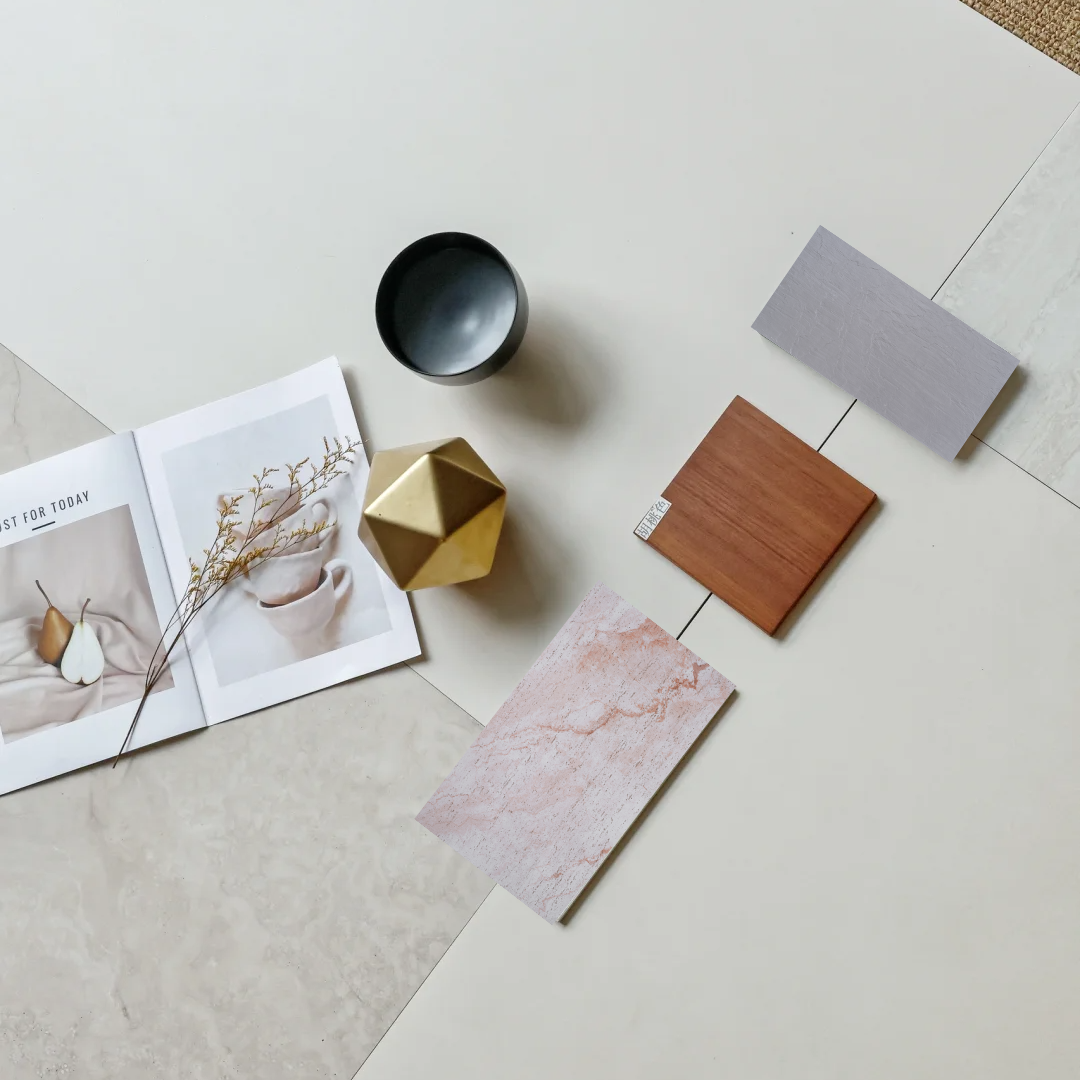
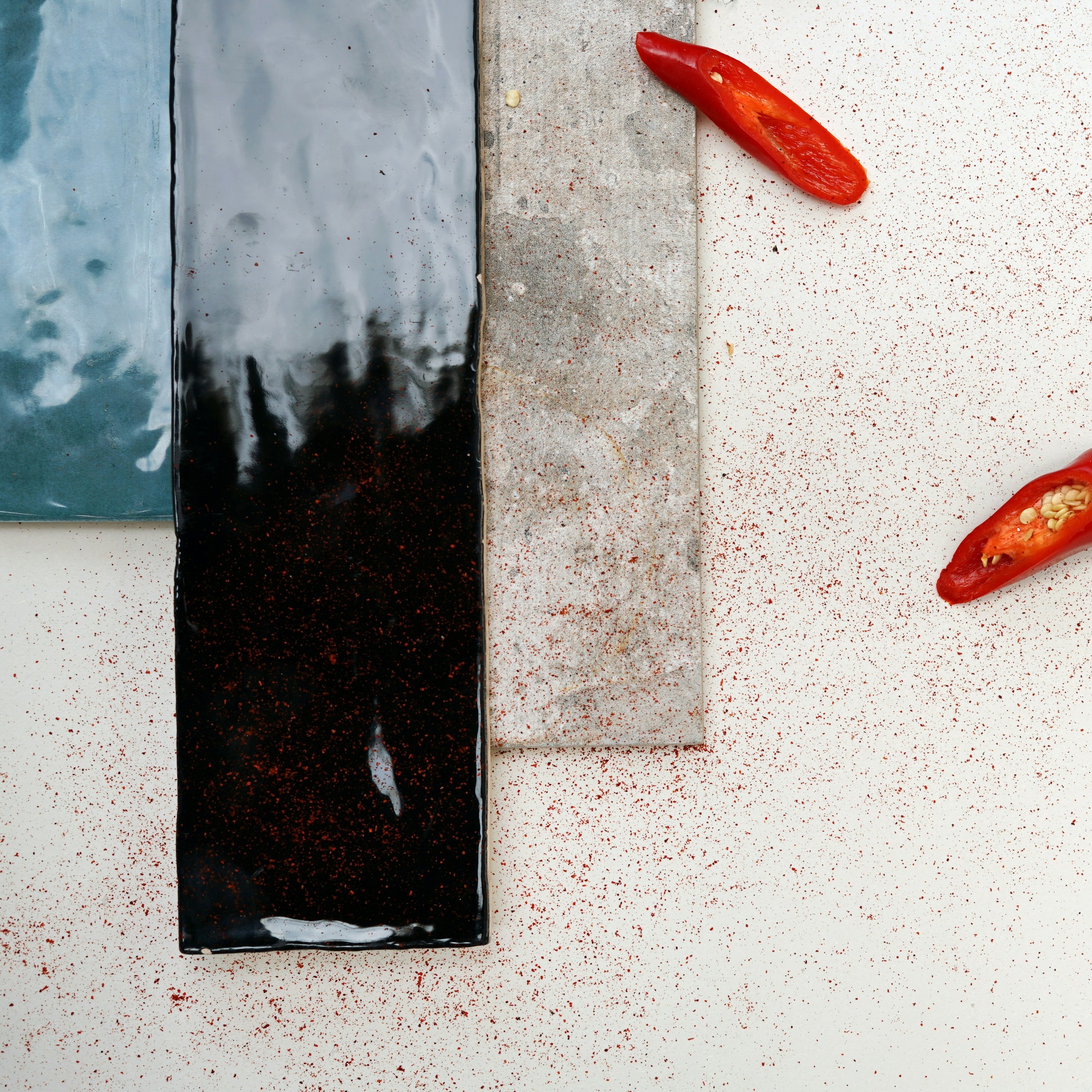


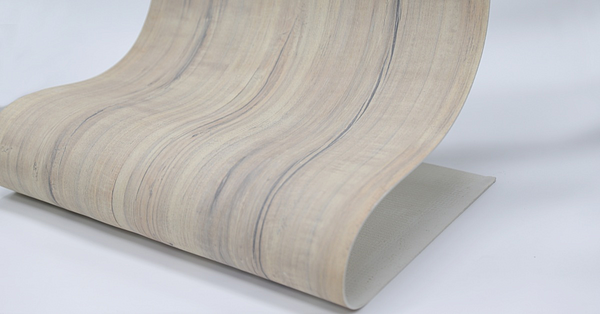
Khi mọi người lần đầu nghe đến thuật ngữ đá dẻo, câu hỏi ngay lập tức là: Đá dẻo có mềm không? Từ "mềm" có thể gây hiểu lầm. Nó có thể khiến bạn tưởng tượng ra một bề mặt giống như chiếc đệm, nhưng thực tế lại khác. Đá dẻo là duy nhất vì nó kết hợp vẻ tự nhiên của đá với khả năng uốn cong và thích ứng với các bề mặt mà đá truyền thống không thể sử dụng được..
Hãy tưởng tượng việc cải tạo một bức tường phòng khách nơi đá tự nhiên thường phải mất nhiều ngày làm việc và nâng vật nặng.. Đá dẻo cho phép bạn đạt được diện mạo tương tự trong một khoảng thời gian ngắn, mà không làm mất đi vẻ đẹp hay độ bền. Trong bài viết này, chúng ta sẽ khám phá đá dẻo thực sự có cảm giác như thế nào, nó được tạo ra như thế nào, và tại sao nó trở thành lựa chọn phổ biến cho xây dựng và trang trí hiện đại.
Là nhà cung cấp vật liệu xây dựng trực tuyến, Foshan Vista giúp các doanh nghiệp trên toàn thế giới dễ dàng tìm được nguồn đá tấm linh hoạt mà không gặp rắc rối khi mua sắm phức tạp.
Đá dẻo là gì và nó hoạt động như thế nào?
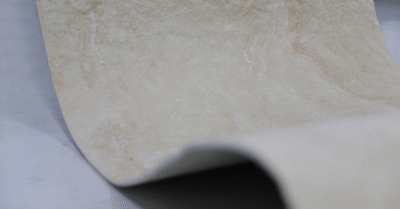
Tấm đá dẻo là thế hệ mới của vật liệu xây dựng thân thiện với môi trường được thiết kế để tái tạo cảm giác và vẻ ngoài của đá tự nhiên trong khi vẫn nhẹ và dễ thích ứng. Chúng được tạo ra bằng cách hình thành, nướng bánh, in ấn, và cắt hỗn hợp vật liệu vô cơ và lưới sợi thủy tinh thành tấm, cuộn dây, hoặc khối.
Những tấm này:
- Duy trì sự hấp dẫn trực quan của đá thật.
- Không yêu cầu xử lý phức tạp
- Có thể được cài đặt một cách dễ dàng
- Nhẹ và mỏng (2chỉ dày mm-5 mm)
Đá dẻo có mềm khi chạm vào hay chỉ mềm dẻo?
Vì thế, đá dẻo có mềm không? Câu trả lời phụ thuộc vào cách bạn định nghĩa “mềm”. Đá dẻo không mềm khi chạm vào. Khi bạn lướt tay trên bề mặt của nó, nó có cảm giác mượt mà, phẳng, và chắc chắn—rất giống với lớp hoàn thiện bằng đá truyền thống.
“Độ mềm” thực chất đề cập đến tính linh hoạt của vật liệu, không phải kết cấu của nó. Nó uốn cong mà không bị gãy, giúp nó trở nên thiết thực cho các bề mặt cong và các dự án thiết kế phức tạp.
Nó rất giống một tấm thảm tập yoga; chắc chắn trên bề mặt, nhưng uốn cong để phù hợp với đường cong và hình dạng. Đó là lý do tại sao các kiến trúc sư thích sử dụng nó trên các cột phức tạp hoặc các bức tường tròn.
Gầy, Ánh sáng, và linh hoạt: Đá dẻo được tạo ra như thế nào
Tại Vista, mỗi tấm veneer đá linh hoạt đều trải qua một quy trình được quản lý chặt chẽ để đảm bảo nó mang lại sức mạnh, sắc đẹp, và hiệu suất lâu dài.
- Nó bắt đầu với đất, bột đá, tro núi lửa, và các khoáng chất vô cơ khác được thu thập cẩn thận từ thiên nhiên.
- Những hạt này được nghiền thành bột mịn và phủ chất hoạt động bề mặt thân thiện với môi trường, giúp tăng cường độ bền liên kết và giảm thiểu tác động môi trường.
- Vật liệu đã qua xử lý được ép vào khuôn silicon cùng với lưới sợi thủy tinh, mang lại cho tấm nền khung xương và kết cấu đá 3D tự nhiên.
- Mỗi tấm được nướng ở nhiệt độ được kiểm soát giữa 160 °C và 200°C trong khoảng 6 giờ, tạo ra các tấm ổn định ngay cả khi trời nóng, ẩm ướt, hoặc khí hậu đầy thách thức.
- In độ phân giải cao bổ sung thêm các đường vân và hoa văn thực tế, sau đó dán một lớp bảo vệ để chống lại tác hại của tia cực tím và vết bẩn.
- Các tấm hoàn thiện được cắt thành tấm, cuộn dây, hoặc khối, làm cho chúng nhẹ, dễ dàng vận chuyển, và đủ linh hoạt cho nhiều ứng dụng.
Tại sao điều này lại quan trọng đối với dự án của bạn?
Bởi vì mỗi bước (từ xử lý sinh thái đến bảo dưỡng và hàn kín) được thiết kế để đảm bảo các bức tường của bạn, mặt tiền, hoặc nội thất giữ được độ hoàn thiện trong nhiều năm mà không bị cong vênh, bong tróc, hoặc mờ dần. Đó là tính thẩm mỹ của đá tự nhiên, được thiết kế cho thực tế của xây dựng hiện đại.
Ưu điểm của tấm đá linh hoạt ngoài tính linh hoạt
Đây là lý do tại sao đá dẻo đang âm thầm thu hút sự chú ý trong xây dựng hiện đại:
Xây dựng nhẹ
Chỉ dày 2–5 mm, các tấm đá linh hoạt đủ nhẹ để một người lắp đặt có thể mang dưới cánh tay, cuộn lên một tầng cầu thang, và đi làm. Trọng lượng của tòa nhà ít hơn có nghĩa là ít căng thẳng hơn cho phi hành đoàn và, Đúng, ít tiền chi cho lao động làm thêm.
Vật liệu thân thiện với môi trường
Đá dẻo sử dụng ít khoáng chất thô hơn và dựa vào phương pháp sản xuất hiệu quả. Nó giúp cắt giảm lượng khí thải carbon mà không làm mất đi tính thẩm mỹ. Kiến trúc sư quan tâm đến chứng chỉ xanh (LEED hoặc BREEAM) đã thấy sự hấp dẫn—đó là một chiến thắng dễ dàng trong danh sách kiểm tra tính bền vững.
Giải pháp hiệu quả về chi phí
Đá trông đắt tiền vì nó thường như vậy. Đá dẻo viết lại kịch bản đó. Bạn không phải trả tiền cho xe tải chở đá hoặc hàng tuần lắp đặt chuyên dụng. Bạn đang trả tiền cho các tấm giúp giảm chất thải, được tùy chỉnh phù hợp, và kết thúc nhanh hơn.
Ứng dụng đa năng
Đá cứng buộc bạn phải thiết kế cứng nhắc. Đá dẻo? Đó là một câu chuyện khác. Nó uốn cong quanh những đường cong, bọc bàn tiếp tân, và leo lên hành lang một cách dễ dàng. Trong thực tế, thị trường vật liệu xây dựng nhẹ đang tăng trưởng hơn 5% một năm, được thúc đẩy bởi nhu cầu nhanh hơn, xây dựng sạch hơn. Đá dẻo không chỉ “theo kịp”. Nó đang xác định danh mục.
Các nhà phát triển thấy thời gian quay vòng nhanh hơn và chi phí vận chuyển ít hơn. Các nhà thiết kế hiện có quyền truy cập vào các hình thức và hoàn thiện thậm chí còn không thực tế cách đây một thập kỷ. Và chủ sở hữu tài sản? Họ được tận hưởng những không gian mang lại cảm giác hiện đại, bền, và phù hợp với các mục tiêu bền vững thay vì đấu tranh chống lại chúng.
Vista không chỉ cung cấp những sản phẩm tiêu chuẩn; chúng tôi cũng làm việc như một nhà cung cấp vật liệu xây dựng tùy chỉnh, điều chỉnh các giải pháp đá linh hoạt cho các dự án độc đáo yêu cầu kích thước cụ thể, màu sắc, hoặc kết thúc.
Độ mềm của đá dẻo có thể được sử dụng tốt nhất ở đâu?
Một trong những ưu điểm lớn nhất của tấm tường đá linh hoạt là khả năng thích ứng với các bề mặt mà đá truyền thống không thể sử dụng được., từ những cột cong của khách sạn đến trần nhà ấn tượng.
| Ứng dụng | Sự miêu tả |
| Tường và cột cong | Hoàn hảo cho khách sạn, phòng trưng bày, và các dự án thiết kế nội thất đòi hỏi sự sáng tạo. |
| Hoàn thiện tường nội thất | Mang đến sự sang trọng cho phòng khách, hành lang, và hành lang mà không gặp rắc rối với những khối đá nặng nề. |
| Mặt tiền bên ngoài | Hoạt động tốt trên bề mặt tòa nhà khi được sử dụng trong điều kiện thích hợp, mang lại độ bền và vẻ đẹp. |
| Quầy và bàn tiếp tân | Lý tưởng để tạo ra hiện đại, bề mặt trông chuyên nghiệp nổi bật trong không gian thương mại như khách sạn, văn phòng, và phòng trưng bày. |
| Trần nhà và mái vòm | Thêm kịch tính và kết cấu mà đá truyền thống không thể sử dụng được. |
| Dự án cải tạo | Lý tưởng để phủ lên các bề mặt hiện có, giảm chất thải phá hủy, và tiết kiệm thời gian dự án. |
Chúng tôi đang chứng kiến sự gia tăng số lượng kiến trúc sư thử nghiệm các hình thức hữu cơ (mặt tiền cong, nội thất chảy, không gian lấy cảm hứng từ sinh học). Những vật liệu như đá dẻo sẽ đi đầu trong phong trào này, bởi vì chúng cho phép tự do thiết kế mà không vi phạm ngân sách hoặc thời gian.
Tấm đá linh hoạt bền như thế nào?
Linh hoạt không có nghĩa là dễ vỡ. Tấm đá linh hoạt được thiết kế để tồn tại khi được lắp đặt đúng cách. Chúng có khả năng chống nứt, bong tróc, và mờ dần, ngay cả ở những khu vực có tần suất sử dụng cao.
Lợi ích bảo trì
- Lau bằng vải ẩm để bảo trì hàng ngày.
- Sử dụng chất tẩy rửa có độ pH trung tính để xử lý vết bẩn mà không làm hỏng bề mặt.
- Lớp nền linh hoạt giúp giảm nguy cơ nứt so với đá cứng.
Độ tin cậy về hiệu suất
- Chịu được nhiệt độ và độ ẩm khi lắp đặt đúng cách.
- Xử lý bề mặt chất lượng cao bảo vệ chống phai màu.
- Vẫn được liên kết ngay cả khi lắp đặt cong hoặc dọc.
Hạn chế và lưu ý khi sử dụng đá dẻo
Đá dẻo mang lại rất nhiều lợi ích cho bàn, nhưng giống như bất kỳ vật liệu nào, nó hoạt động tốt nhất khi được sử dụng trong điều kiện thích hợp. Dưới đây là những hạn chế chính cần ghi nhớ:
Lĩnh vực ứng dụng
Đá dẻo có tác dụng đẹp trên tường, mặt tiền, và hoàn thiện trang trí. Nhưng nó không được thiết kế cho mọi thứ. Không gian ngập nước liên tục, như hồ bơi hoặc phòng tắm hơi, hoặc sàn có nhiều người qua lại, có thể ảnh hưởng đến hiệu suất vì khả năng chống va đập của nó thấp hơn đá rắn.
Yêu cầu về bề mặt và lắp đặt
Để tận dụng tối đa đá linh hoạt, cơ sở phải được chuẩn bị đúng cách. Bất kỳ sự không đồng đều nào lớn hơn 3 mm trên nhịp 2 mét có thể dẫn đến các điểm rỗng. Việc lắp đặt cũng đòi hỏi ứng dụng có tay nghề cao với chất kết dính phù hợp. Cắt góc ở đây, và bạn có nguy cơ bong tróc, sủi bọt, hoặc tách ra.
Chống trầy xước và va đập
Chỉ dày 2–5 mm, đá dẻo nhẹ hơn tấm tự nhiên, nhưng điều đó cũng có nghĩa là nó dễ bị trầy xước hơn từ các vật sắc nhọn hoặc vết lõm do va đập mạnh.
Tiếp xúc với tia cực tím và nhiệt
Các ứng dụng ngoài trời nên xem xét việc phơi nắng kéo dài, có thể gây phai màu theo thời gian nếu các tấm không được xử lý đúng cách. Tương tự, Đá dẻo không nên lắp đặt trực tiếp phía sau nguồn nhiệt cao như bếp lò hoặc ngọn lửa trần.
Độ ẩm và điều kiện môi trường
Đá linh hoạt hoạt động tốt ở các khu vực khô ráo trong phòng tắm và mặt tiền khi được lắp đặt đúng cách, nhưng việc ngâm trong nước liên tục có thể làm hỏng chất kết dính. Việc che mưa trong quá trình lắp đặt cũng rất quan trọng để ngăn ngừa hiện tượng bong tróc sớm.
Tính nhất quán màu sắc
Giống như gạch, sự khác biệt nhỏ về bóng râm có thể xảy ra giữa các đợt sản xuất. Đặt hàng đủ nguyên liệu từ một lô duy nhất đảm bảo tính đồng nhất về màu sắc cho các dự án lớn.
Giá cả và bảo trì
Đá dẻo có giá cao hơn gạch men cơ bản nhưng lại rẻ hơn đá tự nhiên. Mặc dù việc bảo trì hàng ngày là tối thiểu, một số bề mặt có thể cần phải dán lại sau nhiều năm sử dụng để bảo quản màu sắc và độ hoàn thiện.
Sẵn sàng để thử đá linh hoạt? Liên hệ Phật Sơn Vista ngay hôm nay
Gầy, ánh sáng, và đa năng, đá linh hoạt đang định nghĩa lại cách các kiến trúc sư, nhà thiết kế, và các nhà xây dựng tiếp cận các dự án hiện đại, mang lại vẻ đẹp bằng đá tự nhiên mà không gặp khó khăn về trọng lượng hoặc lắp đặt.
Tại Công ty vật liệu xây dựng Phật Sơn Vista, Công ty TNHH, chúng tôi chuyên cung cấp các tấm đá linh hoạt thân thiện với môi trường giúp cân bằng hiệu suất, tính thẩm mỹ, và khả năng chi trả. Là nhà xuất khẩu vật liệu xây dựng bán buôn đáng tin cậy, chúng tôi đảm bảo mọi đơn hàng, dù nhỏ hay lớn, đáp ứng các tiêu chuẩn chất lượng nhu cầu dự án toàn cầu.
Sẵn sàng trải nghiệm những lợi ích của đá dẻo cho chính mình?
Liên hệ với chúng tôi ngay hôm nay để thảo luận về nhu cầu dự án của bạn.
Những câu hỏi thường gặp về đá dẻo
- Đá dẻo có tuổi thọ bao lâu?
Nó thay đổi. Độ bền của đá dẻo phụ thuộc vào việc lắp đặt đúng cách, vị trí, và tránh môi trường ngâm nước liên tục hoặc tác động cơ học nặng. - Làm thế nào đá linh hoạt so sánh giá với các vật liệu khác?
Đá dẻo có giá cả phải chăng hơn đá tự nhiên, nhưng thường có giá cao hơn gạch men. Giá trị của nó nằm ở việc mang lại tính thẩm mỹ giống như đá, cài đặt dễ dàng hơn, và độ bền lâu dài ở mức giá cạnh tranh.