 Ланшанский район, Слушать, Шаньдунская провинция
 info@wstmaterials.com
 8615588128836
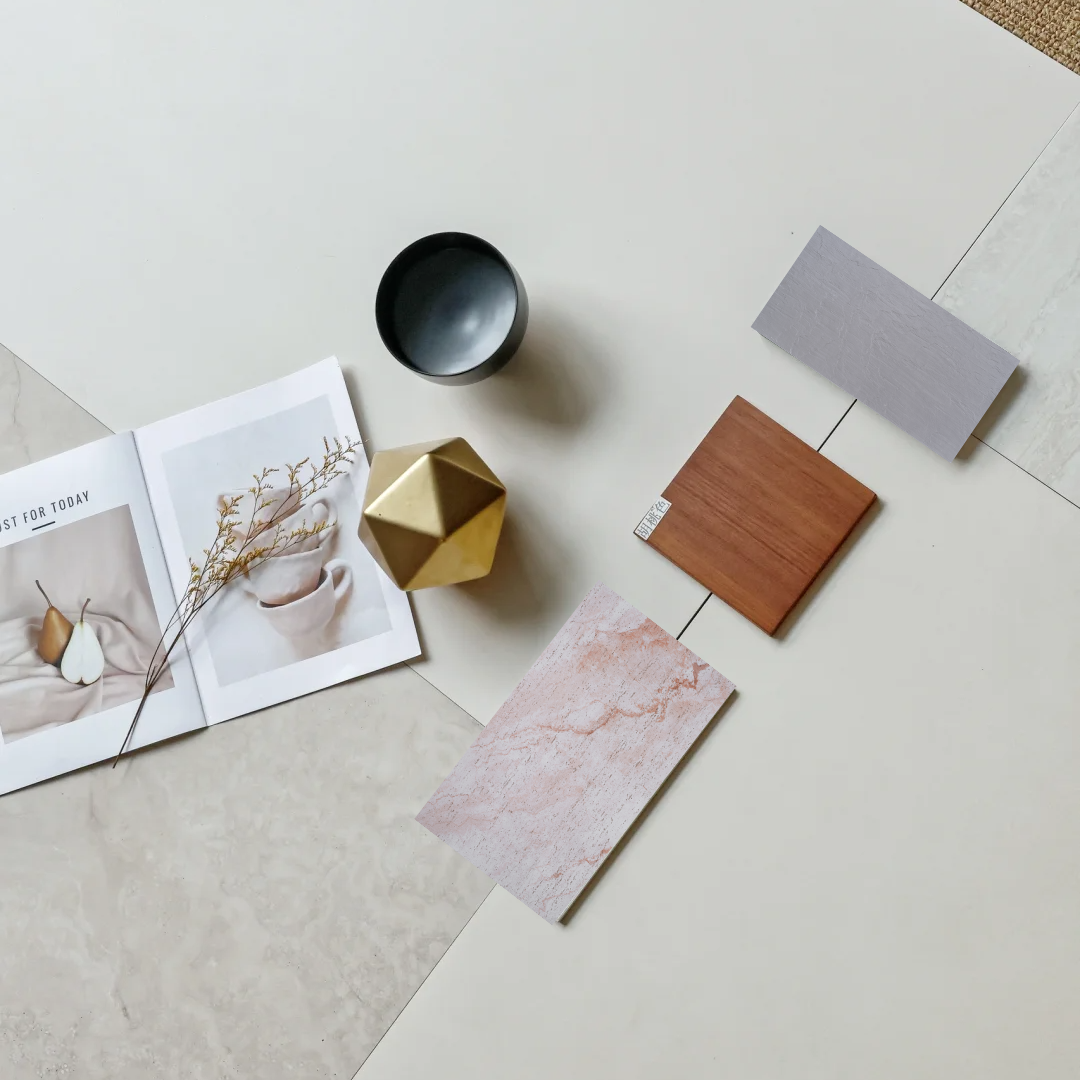
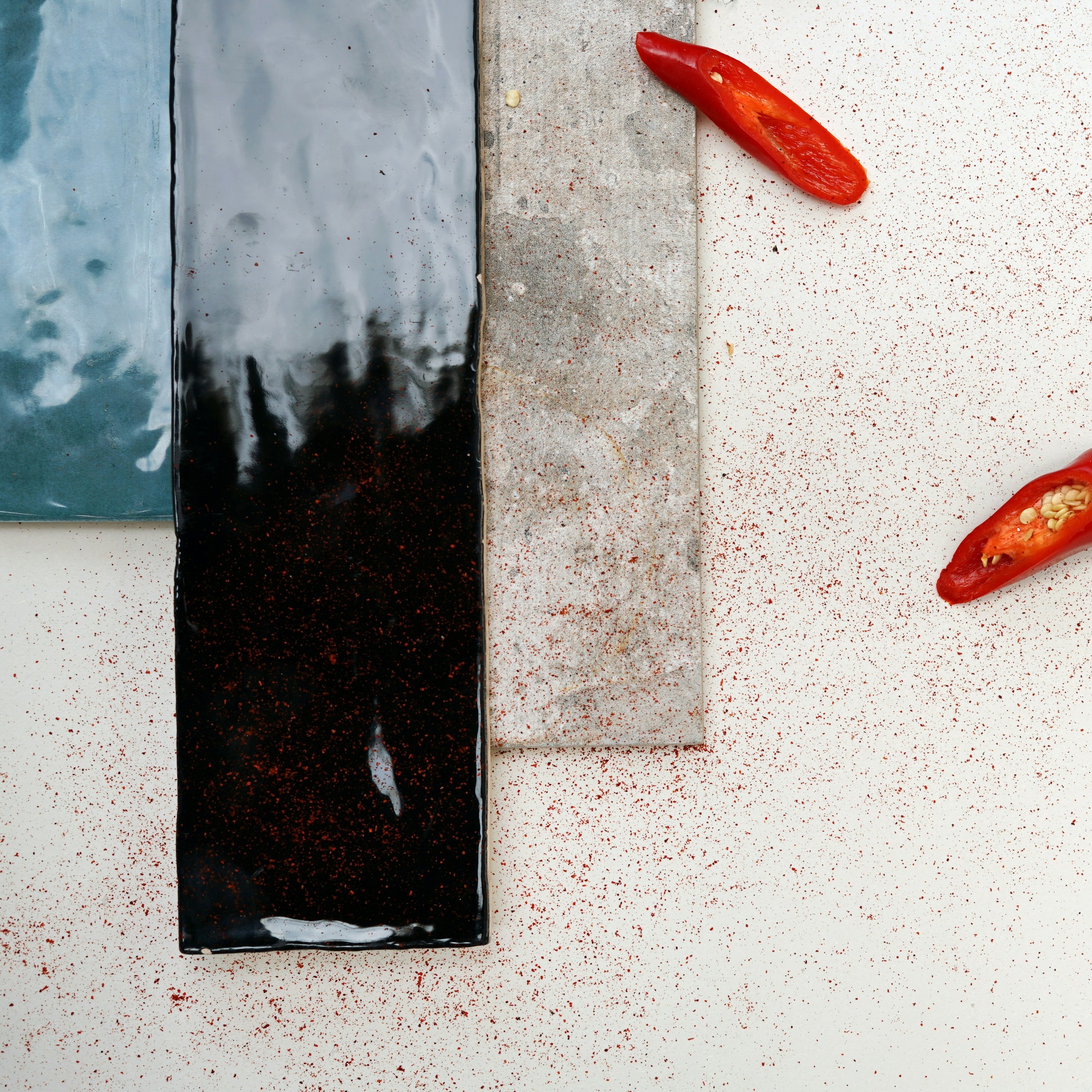


Когда люди впервые слышат термин «гибкий камень», непосредственный вопрос: Гибкий камень мягкий?? Слово «мягкий» может ввести в заблуждение.. Это может заставить вас представить себе поверхность, похожую на подушку., но реальность другая. Гибкий камень уникален, поскольку он сочетает в себе естественный вид камня со способностью сгибаться и адаптироваться к поверхностям, с которыми традиционный камень не справился бы..
Представьте себе ремонт стены гостиной, где натуральный камень обычно требует нескольких дней работы и поднятия тяжестей.. Гибкий камень позволяет добиться того же внешнего вида за короткое время., без ущерба для красоты и долговечности. В этой статье, мы узнаем, что на самом деле представляет собой гибкий камень, как это сделано, и почему он становится популярным выбором для современного строительства и отделки.
Как онлайн-поставщик строительных материалов, Foshan Vista упрощает для предприятий по всему миру поиск гибких каменных панелей без хлопот, связанных с сложными закупками..
Что такое гибкий камень и как он работает?
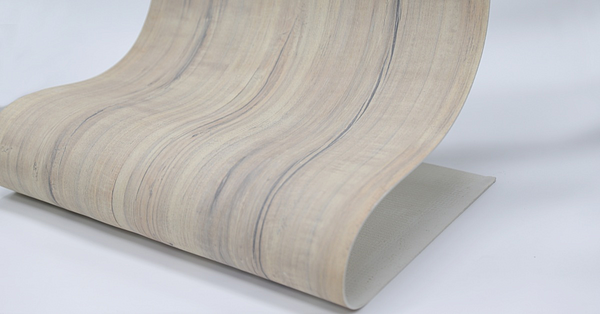
Гибкие каменные панели – это новое поколение экологически чистые строительные материалы разработан, чтобы имитировать ощущение и внешний вид натурального камня, оставаясь при этом легким и адаптируемым.. Они создаются путем формирования, выпечка, печать, и резка смеси неорганических материалов и сетки из стекловолокна на листы., катушки, или блоки.
Эти панели:
- Сохраните визуальную привлекательность настоящего камня..
- Не требует сложного обращения
- Легко устанавливается
- Легкий и тонкий (2толщина всего мм-5 мм)
Гибкий камень мягкий на ощупь или просто гибкий??
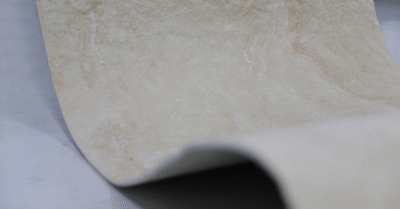
Так, гибкий камень мягкий? Ответ зависит от того, как вы определяете слово «мягкий». Гибкий камень не мягкий на ощупь.. Когда вы проводите рукой по его поверхности, он кажется гладким, плоский, и прочный — очень похож на традиционную каменную отделку..
«Мягкость» на самом деле относится к гибкости материала., не его текстура. Он сгибается, не ломаясь, что делает его практичным для изогнутых поверхностей и сложных дизайнерских проектов..
Это очень похоже на коврик для йоги; твердый на поверхности, но сгибается, приспосабливаясь к изгибам и формам. Вот почему архитекторы любят использовать его на сложных колоннах или закругленных стенах..
Тонкий, Свет, и гибкий: Как делается гибкий камень
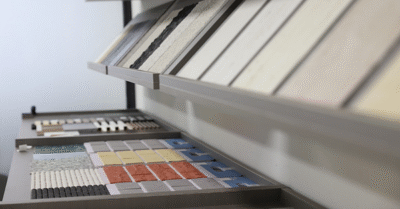
В Висте, каждый лист гибкого каменного шпона проходит тщательно контролируемый процесс, гарантирующий его прочность., красота, и долгосрочная производительность.
- Все начинается с почвы, каменный порошок, вулканический пепел, и другие неорганические минералы, бережно собранные в природе..
- Эти частицы измельчаются в мелкий порошок и покрываются экологически чистыми поверхностно-активными веществами., которые повышают прочность сцепления и минимизируют воздействие на окружающую среду..
- Обработанный материал прессуется в силиконовые формы вместе со стеклосеткой., что придает панели основу и естественную трехмерную текстуру камня..
- Каждый лист выпекается при контролируемой температуре между 160 °C и 200°C в течение примерно 6 часы, создание панелей, которые остаются стабильными даже в жаркую погоду, влажный, или сложный климат.
- Печать с высоким разрешением добавляет реалистичные прожилки и узоры., затем наносится защитное уплотнение для защиты от ультрафиолетового излучения и пятен..
- Готовые панели разрезают на листы., катушки, или блоки, делая их легкими, легко транспортировать, и достаточно гибкий для различных приложений.
Почему это важно для вашего проекта?
Потому что каждый шаг (от экообработки до отверждения и герметизации) создан для того, чтобы убедиться, что ваши стены, фасады, или интерьеры сохраняют свою отделку годами, не деформируясь, шелушение, или угасание. Это эстетика натурального камня, спроектирован с учетом реалий современного строительства.
Преимущества гибких каменных панелей помимо гибкости
Вот почему гибкий камень незаметно привлекает внимание в современном строительстве:
Легкая конструкция
Толщина всего 2–5 мм., гибкие каменные панели достаточно легкие, чтобы один установщик мог носить их под мышкой, свернуть лестничный пролет, и приступить к работе. Меньший вес здания означает меньшую нагрузку на экипаж и, да, меньше денег тратится на дополнительную рабочую силу.
Экологически чистый материал
Гибкий камень требует меньшего количества минерального сырья и использует эффективные методы производства.. Это помогает сократить выбросы углекислого газа без ущерба для эстетики.. Архитекторы, которые заботятся о экологических сертификатах (ЛИД или БРИАМ) уже видите привлекательность — это легкая победа в контрольных списках устойчивого развития.
Экономичное решение
Камень выглядит дорого, потому что обычно это так.. Гибкий камень переписывает этот сценарий. Вы не платите за грузовики с камнем или недели специализированной установки.. Вы платите за панели, которые сокращают количество отходов, подходят по индивидуальному заказу, и закончить быстрее.
Универсальные приложения
Твердый камень заставляет вас создавать жесткие конструкции. Гибкий камень? Это другая история. Он огибает кривые, обертывает стойки ресепшн, и с легкостью поднимается по вестибюлям. Фактически, Рынок легких строительных материалов растет более чем 5% год, подогревается потребностью в более быстром, более чистое строительство. Гибкий камень не просто «идет в ногу». Это определение категории.
Разработчики видят более быстрое выполнение работ и меньшие затраты на доставку.. У дизайнеров теперь есть доступ к формам и отделке, которые десять лет назад были даже непрактичны.. И владельцы недвижимости? Они получают удовольствие от пространства, которое кажется современным., долговечный, и соответствуют целям устойчивого развития, а не борются против них.
Vista не просто поставляет стандартные продукты; мы также работаем как поставщик строительных материалов на заказ, адаптация гибких решений из камня для уникальных проектов, требующих определенных размеров, цвета, или заканчивается.
Где лучше всего использовать мягкость гибкого камня?
Одним из самых больших преимуществ гибких каменных стеновых панелей является их способность адаптироваться к поверхностям, где традиционный камень не сработает., от изогнутых колонн отелей до эффектных потолков.
| Приложение | Описание |
| Изогнутые стены и колонны | Идеально подходит для отелей, выставочные залы, и проекты дизайна интерьера, требующие творчества. |
| Отделка внутренних стен | Придает элегантность гостиной, лобби, и коридоры без хлопот тяжелой каменной кладки. |
| Наружные Фасады | Хорошо работает на экстерьере здания при использовании в правильных условиях., предлагая долговечность и красоту. |
| Стойки и стойки регистрации | Идеально подходит для создания современного, профессионально выглядящие поверхности, которые выделяются в коммерческих помещениях, таких как гостиницы, офисы, и выставочные залы. |
| Потолки и арки | Добавляет драматизма и текстуры там, где невозможно использовать традиционный камень.. |
| Проекты Реновации | Идеально подходит для перекрытия существующих поверхностей., сокращение отходов при сносе, и экономия времени проекта. |
Мы наблюдаем рост числа архитекторов, экспериментирующих с органическими формами. (изогнутые фасады, плавные интерьеры, пространства, вдохновленные биомимикрией). Такие материалы, как гибкий камень, будут в авангарде этого движения., потому что они дают свободу дизайна, не нарушая бюджет или сроки..
Насколько долговечны гибкие каменные листы?
Гибкость не означает хрупкость. Гибкие каменные листы рассчитаны на длительный срок службы при правильной установке.. Они устойчивы к растрескиванию, шелушение, и угасание, даже в местах с интенсивным использованием.
Преимущества обслуживания
- Протирайте влажной тканью для повседневного ухода..
- Используйте чистящие средства с нейтральным pH для удаления пятен, не повреждая поверхность..
- Гибкая основа снижает риск образования трещин по сравнению с твердым камнем..
Производительность Надежность
- Выдерживает жару и влажность при правильной установке..
- Качественная обработка поверхности защищает от выцветания..
- Остается приклеенным даже при изогнутой или вертикальной установке..
Ограничения и соображения при использовании гибкого камня
Гибкий камень приносит много преимуществ столу, но как и любой материал, он работает лучше всего при использовании в правильных условиях. Вот основные ограничения, о которых следует помнить:
Области применения
Гибкий камень прекрасно смотрится на стенах., фасады, и декоративная отделка. Но он не предназначен для всего. Постоянно затопленные помещения, например, бассейны или сауны, или пол с интенсивным пешеходным движением, может снизить производительность, поскольку его ударопрочность ниже, чем у цельного камня..
Требования к поверхности и установке
Чтобы получить максимальную отдачу от гибкого камня, основание должно быть правильно подготовлено. Любая неравномерность, превышающая 3 мм на пролете 2 метра может привести к образованию пустот. Монтаж также требует квалифицированного применения и использования подходящего клея.. Срежьте углы здесь, и ты рискуешь отслоиться, пузырящийся, или отряд.
Устойчивость к царапинам и ударам
Толщина всего 2–5 мм., гибкий камень легче натуральных плит, но это также означает, что он более уязвим к царапинам от острых предметов или вмятинам от сильных ударов..
УФ и тепловое воздействие
При использовании на открытом воздухе следует учитывать длительное пребывание на солнце., что может привести к выцветанию с течением времени, если панели не обрабатываются должным образом.. Сходным образом, гибкий камень не следует устанавливать непосредственно за источниками сильного тепла, такими как печи или открытое пламя..
Влажность и условия окружающей среды
Гибкий камень хорошо работает в сухих помещениях и на фасадах ванных комнат при правильной установке., но постоянное погружение в воду может поставить под угрозу клей.. Защита от дождя во время установки также имеет решающее значение для предотвращения раннего отсоединения..
Цветовая консистенция
Как плитка, между производственными партиями могут наблюдаться небольшие различия в оттенке. Заказ достаточного количества материала из одной партии обеспечивает однородность цвета в крупных проектах..
Цена и обслуживание
Гибкий камень стоит дороже, чем обычная керамическая плитка, но дешевле, чем натуральный камень.. Хотя ежедневный уход минимален, некоторые поверхности могут нуждаться в повторной герметизации после многих лет использования, чтобы сохранить цвет и отделку..
Готовы попробовать гибкий камень? Свяжитесь с Фошань Виста сегодня
Тонкий, свет, и универсальный, гибкий камень меняет представление о том, как архитекторы, дизайнеры, и строители подходят к современным проектам, обеспечение красоты натурального камня без проблем с весом и установкой.
В Компания строительных материалов Фошань Виста, ООО, мы специализируемся на поставке экологически чистых гибких каменных панелей, которые сочетают в себе производительность, эстетика, и доступность. Как надежный оптовый экспортер строительных материалов, мы гарантируем каждый заказ, будь то маленький или большой, соответствует стандартам качества, востребованным глобальными проектами.
Готовы испытать преимущества гибкого камня на себе?
Свяжитесь с нами сегодня, чтобы обсудить потребности вашего проекта.
Часто задаваемые вопросы о гибком камне
- Как долго служит гибкий камень?
Это варьируется. Долговечность гибкого камня зависит от правильной установки., расположение, и избегать мест с постоянным погружением в воду или сильными механическими воздействиями.. - Как гибкий камень сравнить цену с другими материалами?
Гибкий камень более доступен, чем натуральный камень., но обычно стоит дороже, чем керамическая плитка. Его ценность заключается в том, что он предлагает эстетику, подобную камню., более простая установка, и долговечность по конкурентоспособной цене.