 Districtul Lanshan, Asculta, Provincia Shandong
 info@wstmaterials.com
 8615588128836
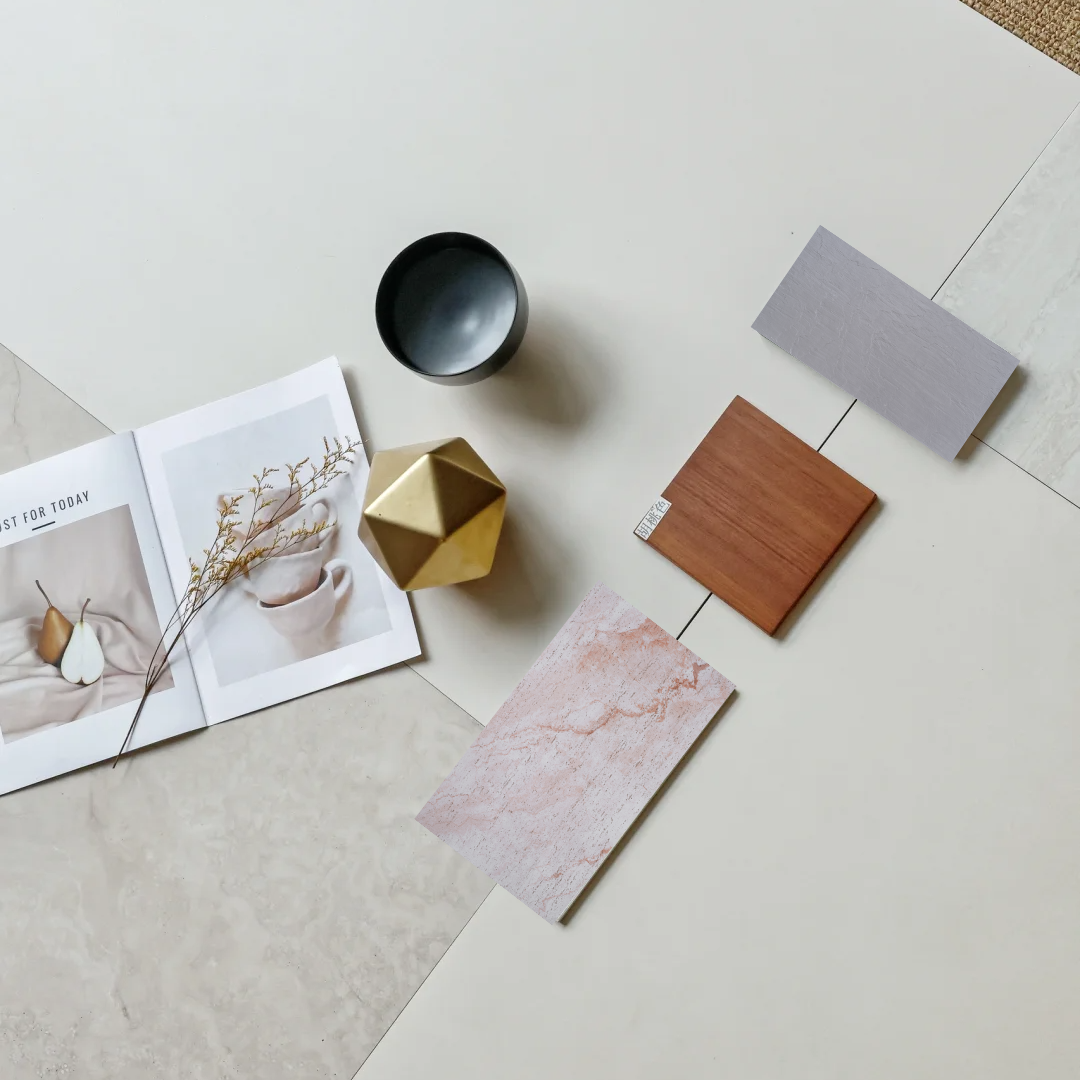
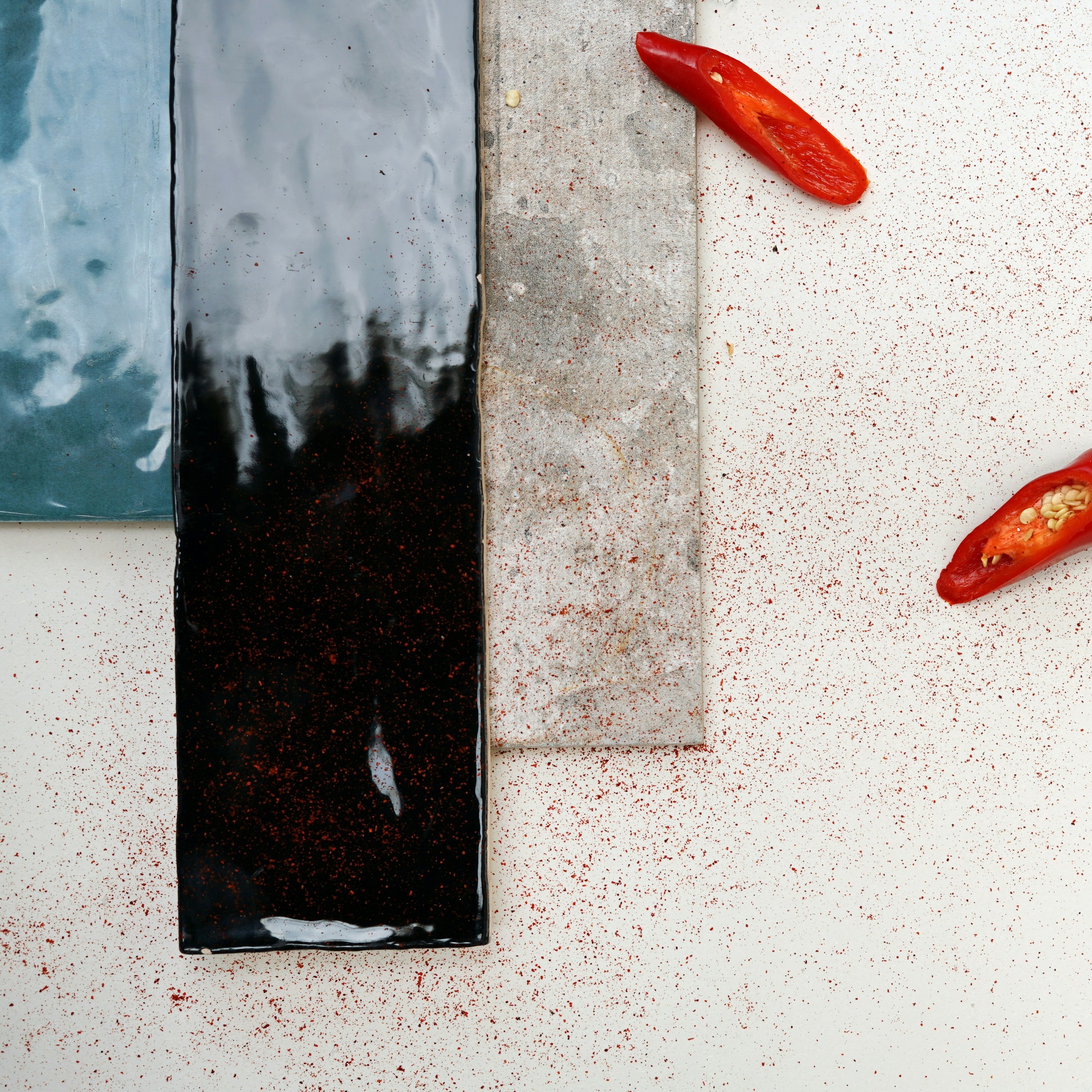


Ce este piatra flexibilă?
Știi acel sentiment când o cameră pare obosită, apoi o suprafață bine aleasă schimbă atmosfera de la „bej plictisitor” la șic de tip boutique-hotel? Aceasta este promisiunea pietrei flexibile. Aceste panouri flexibile de piatră ultra-subțiri se îndoaie ușor, cântăresc mult mai puțin, și deschideți posibilități de proiectare pe care piatra tradițională nu le poate face.
Gândește-te la asta ca la un subțire, piele cu textură de piatră cu bobul, nervuri, și senzația tactilă la care te-ai aștepta de la roca extrasă, doar minus greutatea și armarea complicată. De aceea cafenelele, hoteluri mici, iar proprietarii obsedați de detalii continuă să ajungă la el. Acest material face finisajele de lux realiste, chiar si la bugete modeste.
La Foshan Vista Building Material Co., Ltd., ne-am construit reputația de exportator angro de materiale de construcție. În prezent deservim clienți din întreaga lume, cu principalele noastre piețe de export din Asia de Sud-Est. Misiunea noastră este să facem estetica pietrei accesibilă prin durabilitate, construcție ușoară.
Cum se face piatra flexibilă?
Foile de piatră flexibile Vista sunt create printr-un proces atent controlat, conceput pentru durabilitate și performanță:
- Sol, pulbere de piatră, cenușă vulcanică, iar alte materiale anorganice provin din natură.
- Particulele sunt rafinate și acoperite cu agenți tensioactivi ecologici pentru a spori rezistența și durabilitatea aderării.
- Solul modificat este presat în forme de silicon cu plasă din fibră de sticlă pentru a produce texturi 3D naturale.
- Panourile sunt coapte la 160–200°C pt 6 ore, oferindu-le stabilitate structurală chiar și în climatele calde sau umede.
- Texturile și nervurile de înaltă definiție sunt imprimate pe suprafață, apoi sigilat cu UV- și acoperiri rezistente la pete.
- Foile finisate de furnir flexibil din piatră sunt modelate în foi, bobine, sau blocuri, făcându-le ușoare, durabil, și ușor de expediat în întreaga lume.
De ce contează acest lucru pentru proiectul dvs? Fiecare pas – de la coacere la acoperirea protectoare – asigură pereții sau fațadele dumneavoastră să nu se deformeze, se estompează, sau coaja, chiar și în condiții solicitante.
Unde puteți folosi piatra flexibilă?
Pentru că este ușor și adaptabil, panourile flexibile din piatră artificială funcționează atât în interior, cât și în exterior:
-
Interioare: Pereți de accent, seminee, plafoane, sau suprafete de mobilier. În băi, se comportă bine pe zonele uscate cu etanșare adecvată.
-
exterioare: Fațade, proiecte de renovare, coloane, și suprafețe curbate unde piatra grea este impracticabilă.
Nota: Utilizați cu precauție și evitați zonele scufundate (precum piscine și saune), pardoseala exterioara, și regiuni cu cicluri severe de îngheț-dezgheț.
Stiluri de produse & Opțiuni de suprafață
Piatra flexibilă a lui Vista vine în serii organizate, fiecare cu aspect distinctiv și aplicații de design. Iată o defalcare:
| Serie | Tipuri | Descriere |
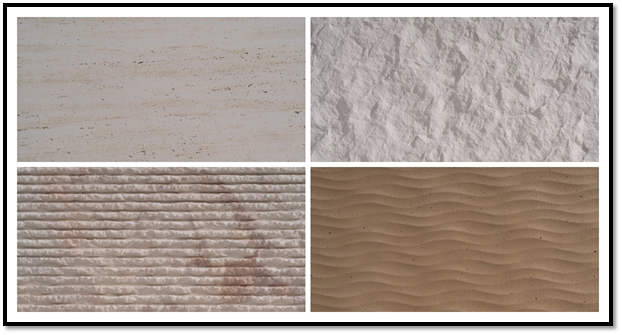
| Seria Travertin | Travertin, Travertin roman, Travertin italian | Texturi poroase clasice cu bej cald, maro, și tonuri aurii. Oferă un farmec mediteranean atemporal și îmbină grandoarea clasică cu minimalismul contemporan. |
| Seria piatră naturală | Cascada Stâncă, Magma Venusului, Piatra culturala tibetana, Calcar Yulong, Piatra de marmură Litchi, Granit mat, Gresie australiană | Îndrăzneţ, texturi naturale dramatice de la vene în cascadă la modele vulcanice și calcar accidentat. Perfect pentru fatade, prezintă pereți, si interioare high-end. |
| Seria de texturi de piatră de artă | Piatra de linie fină, Piatra tăiată, Concert de piatră, Starcloud Stone, Piatră cizelată, Piatra de creasta romană, Piatra de Lună de Stele, Piatra de linie pătrată | Finisaje artistice și moderne, de la cosmic, geometric, și modele asemănătoare țesăturii până la texturi dăltuite manual. Excelent pentru galerii, hoteluri de tip boutique, si spatii comerciale de lux. |
| Seria plăci de ciment | Consiliul de ciment, Placa de ciment lustruit, Placă de ciment ruginită, Placă de ciment cu găuri, Placa de Pământ ciocnită Danxia | Finisaje industriale si minimaliste, cu opțiuni precum cimentul gri mat, scânduri lustruite, texturi de rugină oxidată, și modele ecologice de pământ batut. |
| Lemn & Seria de țesut | Lemn de artar, W Purtarea | Texturi naturale inspirate de fibrele lemnului și țeserea cânepei. Adaugă căldură și durabilitate interioarelor, separatoare, si placari de pereti. |
Sfat:
Pentru o căldură, atmosfera rustica, alege din seria Travertin. Pentru îndrăzneț, desene dramatice, Seria Pietrei Naturale este un câștigător. Căutând să facă o declarație artistică modernă? Seria Art Stone Texture oferă o gamă largă de texturi unice.
Cum se instalează piatra flexibilă?
Instalarea este mai simplă decât piatra naturală, dar respectarea celor mai bune practici asigură rezultate de lungă durată:
1. Verificați spațiul
Funcționează cel mai bine pe pereții interiori, zone uscate de baie, holuri, puțuri de lift, și proiecte de renovare unde poate fi aplicat pe suprafețe existente. Unele pardoseli interioare sunt, de asemenea, posibile dacă rezistența la abraziune a produsului este suficient de mare.
Evita: Zone precum piscine, saune, pardoseala exterioara, sau cei expuși la impacturi puternice.
2. Pregătește-te ca un profesionist
Baza trebuie să fie uscată și curată. Pereții noi ar trebui să fie complet vindecați, în timp ce cei mai în vârstă ar putea avea nevoie de vopsea care se descuamă îndepărtată și crăpături sau găuri reparate. Orice denivelare mai mare de trei milimetri pe doi metri poate crea pete goale mai târziu.
3. Utilizați adezivul corect
Mortarul de ciment standard nu este recomandat deoarece se contractă și poate provoca desprinderea panourilor. Un adeziv flexibil pentru plăci îmbogățit cu polimeri este alegerea potrivită.
4. Lotul de producție contează
Acest lucru previne variația de culoare. Piatra flexibilă nu necesită înmuiere precum plăcile de lut, deci este gata de instalat direct.
5. Lăsați spațiu pentru mișcare
Pleacă 1.5 la 3 milimetri între foi. Distanțierii ajută la menținerea uniformă a îmbinărilor și la prevenirea flambajului pe măsură ce materialul se extinde și se contractă.
6. Atentie la vreme
Temperaturile ideale variază între 5°C și 35°C, iar instalarea nu trebuie să aibă loc pe vânt puternic, ploaie, sau condiții extreme. Aerisirea adecvată ajută adezivul să se întărească uniform.
7. Metoda patului subțire
Întindeți adezivul uniform cu o mistrie crestă, apăsați ferm panourile în poziție, și utilizați un ciocan de cauciuc sau un instrument de vibrații pentru a asigura contactul complet și pentru a elimina pungile de aer. Orice adeziv care se infiltrează pe suprafață trebuie șters imediat cu o cârpă umedă.
8. Formați cusăturile
Faceți acest lucru prin mișcarea presiunii în sus și în jos. Puteți folosi apoi bandă de mascare pentru a proteja golurile de pe ambele părți, apoi umpleți golul cu un agent de calafat.
Instalarea pietrei flexibile poate fi mult mai puțin complicată decât lucrul cu plăci naturale grele, dar nu e ceva prin care să te grăbești. Fiecare pas joacă un rol în cât de bine funcționează materialul în timp.
Făcută corect, panourile dumneavoastră flexibile de furnir de piatră vor oferi rezistență, frumuseţe, și durabilitate pentru care Vista este cunoscută, asigurându-vă că proiectul dumneavoastră arată uimitor din prima zi și continuă să funcționeze în anii următori.
Cum întrețineți piatra flexibilă?
Unul dintre cele mai mari avantaje ale Piatră flexibilă este întreținerea sa redusă. Păstrați-l în stare maximă urmând aceste practici simple:
- Curățarea de rutină cu o cârpă umedă ajută la îndepărtarea prafului de zi cu zi, în timp ce un detergent cu pH neutru funcționează cel mai bine pentru petele încăpățânate.
- Evitați substanțele chimice dure, cum ar fi înălbitorul, acizi, sau alcaline puternice, deoarece pot toci sau deteriora aspectul natural al pietrei.
- Întărirea și protecția contează. Lăsați 24-72 de ore pentru ca adezivii să se întărească complet, și asigurați-vă că instalațiile noi nu sunt spălate de ploaie cel puțin 48 ore.
- Inspecția anuală a îmbinărilor, marginile, și adezivul asigură detectarea precoce a uzurii, prevenind ulterior reparații costisitoare.
- Nu este necesară înmuierea înainte de instalare, spre deosebire de plăcile tradiționale de lut.
Panourile flexibile din piatră pot dura mulți ani dacă sunt întreținute corespunzător, supraviețuind multor finisaje din lemn sau laminat și făcându-le o alegere fiabilă pe termen lung.
De ce Vista Flexible Stone?
Nu toate panourile flexibile de furnir de piatră sunt create egale. Produsele mai ieftine se pot estompa, sparge, sau se curăță în câțiva ani. Avantajul lui Vista constă în:
- Suport de înaltă calitate & adezivi
- Acoperiri stabile la UV pentru a păstra culoarea
- Producție ecologică cu impact redus de carbon
- Performanță dovedită în diverse climate globale
Furnizăm în primul rând produse standard, iar comenzile personalizate sunt acceptate doar pentru cantitati mari. Vista îmbină rentabilitatea cu calitatea, oferindu-vă liniște sufletească pe termen lung, fără frustrarea reparațiilor constante.
Gata să vă ridicați spațiile cu piatra flexibilă?
Prin combinarea eleganței pietrei naturale cu caracterul practic al ușoarei, construcție ecologică, piatra flexibilă dă putere arhitecților, constructorii, iar proprietarii de case să obțină mai mult fără compromisuri.
Panourile flexibile din piatră Vista se adaptează viziunii dumneavoastră.
Cu mostrele noastre, consultanta, și soluții de aprovizionare în vrac, veți avea sprijin de specialitate în fiecare etapă. La Foshan Vista Building Material Co., Ltd., credem în crearea de spații care nu sunt doar frumoase, ci și durabile și de durată.
Întrebări frecvente despre piatra flexibilă
1. La ce teste trece piatra dumneavoastră flexibilă?
Pietrele flexibile Foshan Vista sunt supuse testelor de coroziune chimică și testelor de rezistență la îmbătrânirea artificială, conform standardelor Chinei.
2. Foile flexibile de piatră trebuie să fie înmuiate înainte de instalare?
Nu, aceasta nu este plăci de lut. Foile flexibile de piatră nu sunt absorbante și sunt gata de instalat direct.
3. Este mai ieftin decât piatra „adevărată”.?
Iniţial, materialele pot fi similare sau ușor mai mici. Economiile se adună în greutatea transportului, timpul de instalare, și armături structurale. Aici proiectele sunt în favoarea ta.
Hi, comparativ cu piatra naturală, piatra flexibila ofera avantaje la pret, instalare, si costurile de transport.