 Distrito de Lanshan, Ouvir, Província de Shandong
 info@wstmaterials.com
 8615588128836
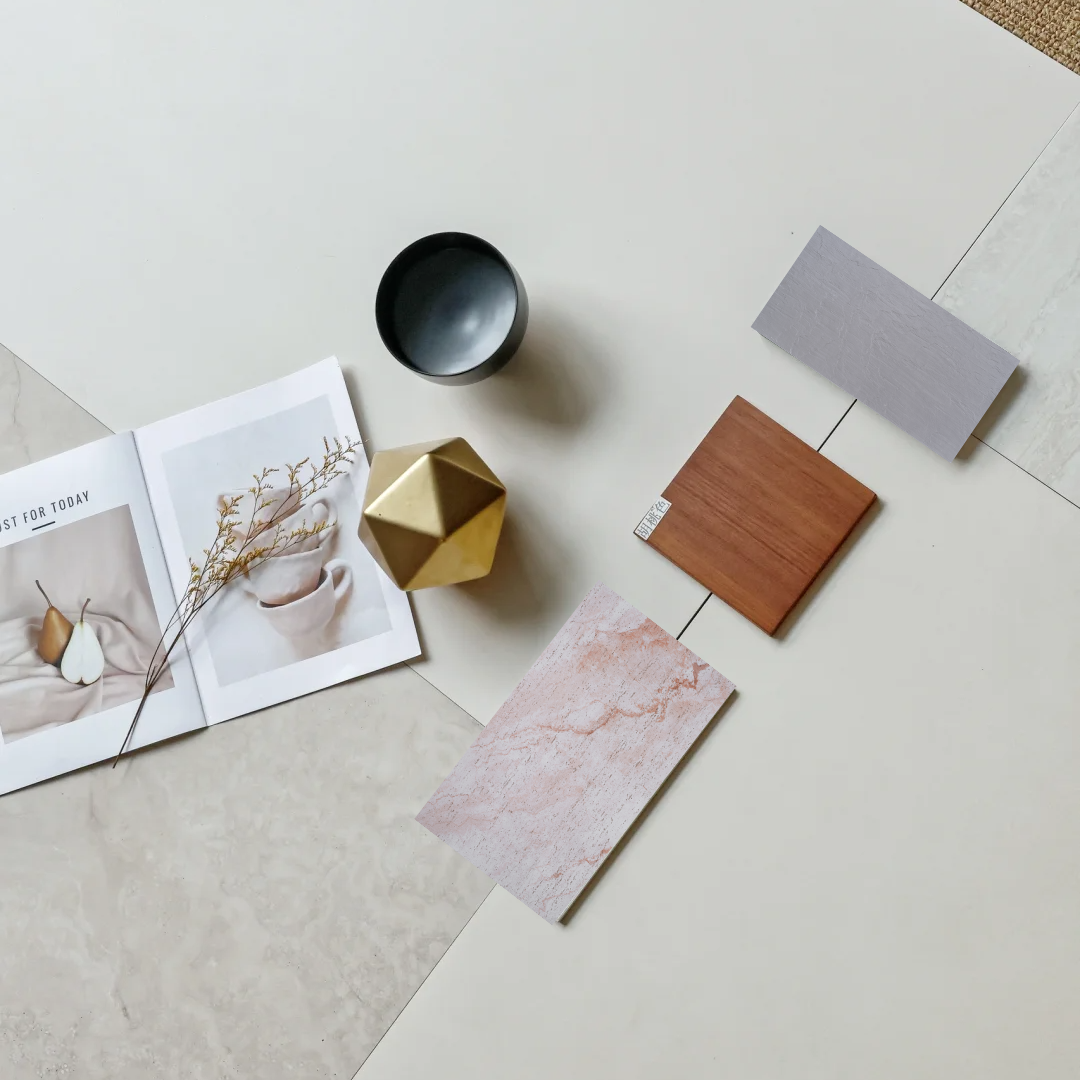
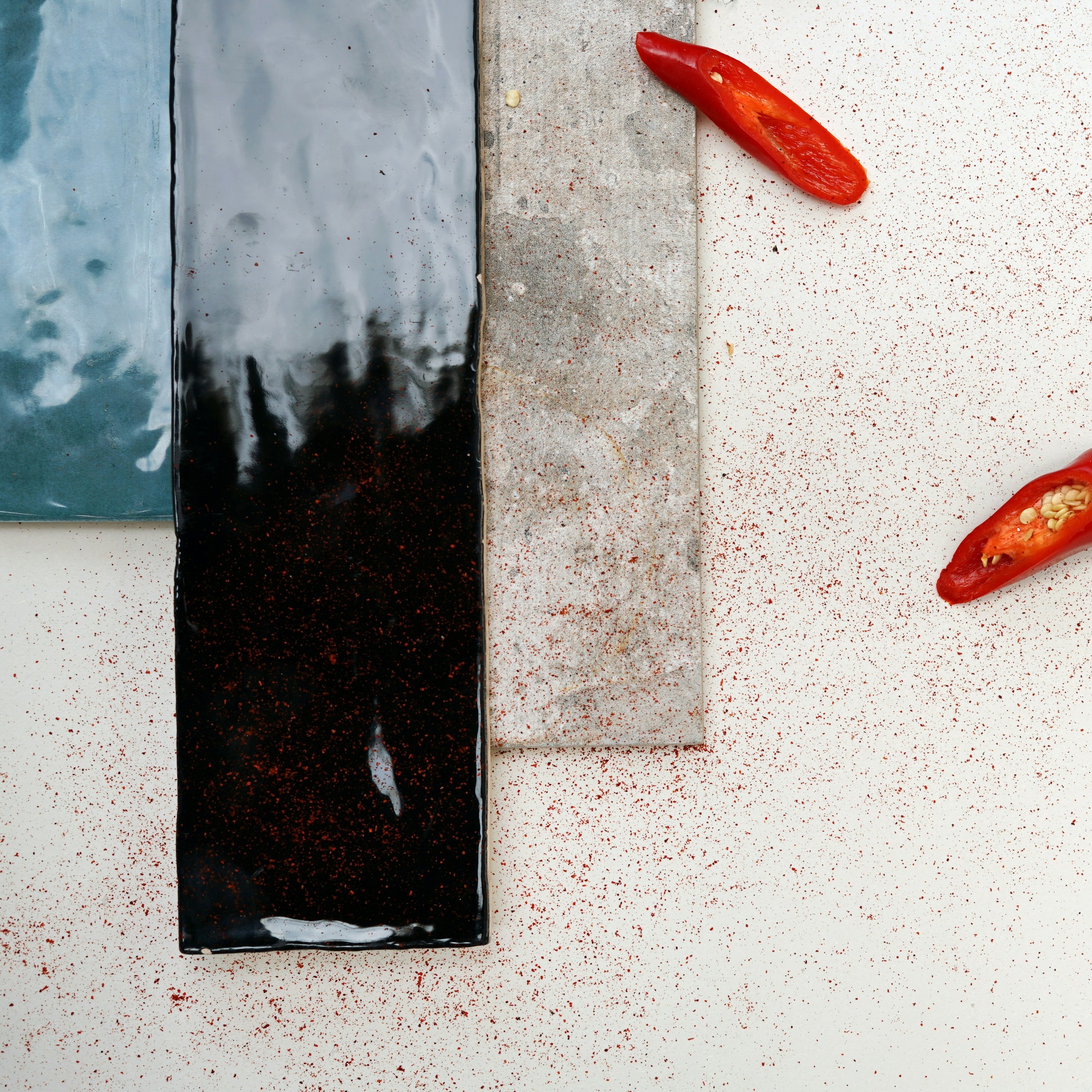


Quando as pessoas ouvem pela primeira vez o termo pedra flexível, a questão imediata é: A pedra flexível é macia? A palavra “suave” pode ser enganosa. Isso pode fazer você imaginar uma superfície semelhante a uma almofada, mas a realidade é diferente. A pedra flexível é única porque combina a aparência natural da pedra com a capacidade de dobrar e se adaptar a superfícies onde a pedra tradicional falharia.
Imagine renovar a parede de uma sala onde a pedra natural normalmente exigiria dias de trabalho e trabalho pesado. A pedra flexível permite que você obtenha a mesma aparência em uma fração do tempo, sem sacrificar a beleza ou durabilidade. Neste artigo, vamos explorar como é realmente a pedra flexível, como é feito, e por que está se tornando uma escolha popular para construção e decoração modernas.
Como fornecedor online de materiais de construção, Foshan Vista simplifica para empresas em todo o mundo a aquisição de painéis de pedra flexíveis sem o incômodo de compras complicadas.
O que é pedra flexível e como funciona?
Painéis de pedra flexíveis são uma nova geração de materiais de construção ecológicos projetado para replicar a sensação e a aparência da pedra natural, permanecendo leve e adaptável. Eles são criados formando, cozimento, impressão, e cortar uma mistura de materiais inorgânicos e malha de fibra de vidro em folhas, bobinas, ou blocos.
Esses painéis:
- Mantenha o apelo visual da pedra real.
- Não requer manuseio complexo
- Pode ser instalado com facilidade
- Leve e fino (2mm-5mm de espessura apenas)
A pedra flexível é macia ao toque ou apenas flexível?
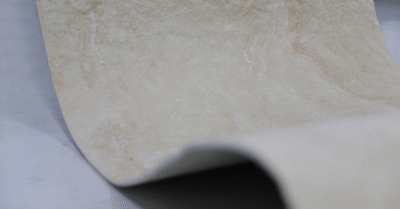
Então, é uma pedra flexível e macia? A resposta depende de como você define “suave”. A pedra flexível não é macia ao toque. Quando você passa a mão sobre sua superfície, parece suave, plano, e firme - muito semelhante aos acabamentos de pedra tradicionais.
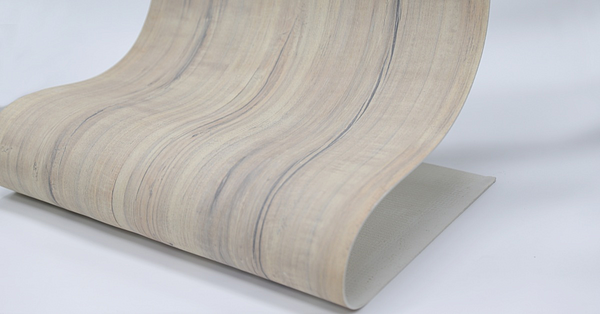
A “suavidade” na verdade se refere à flexibilidade do material, não é sua textura. Dobra sem quebrar, o que o torna prático para superfícies curvas e projetos de design complexos.
É muito parecido com um tapete de ioga; firme à superfície, ainda se dobra para acomodar curvas e formas. É por isso que os arquitetos adoram usá-lo em colunas complicadas ou paredes arredondadas.
Afinar, Luz, e flexível: Como a pedra flexível é feita
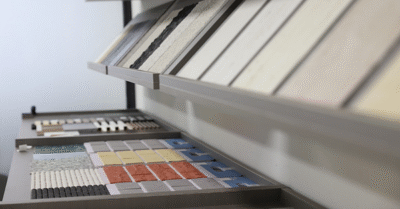
No Vista, cada folha de folheado de pedra flexível passa por um processo rigorosamente gerenciado para garantir que forneça resistência, beleza, e desempenho a longo prazo.
- Tudo começa com o solo, pó de pedra, cinza vulcânica, e outros minerais inorgânicos cuidadosamente coletados da natureza.
- Essas partículas são trituradas até formar um pó fino e revestidas com surfactantes ecológicos, que aumentam a resistência da ligação e minimizam o impacto ambiental.
- O material tratado é prensado em moldes de silicone juntamente com malha de fibra de vidro, o que dá ao painel a sua espinha dorsal e textura natural de pedra 3D.
- Cada folha é cozida em temperatura controlada entre 160 °C e 200°C por cerca de 6 horas, criando painéis que permanecem estáveis mesmo em condições quentes, úmido, ou climas desafiadores.
- A impressão de alta resolução adiciona veios e padrões realistas, em seguida, um selo protetor é aplicado para resistir a danos e manchas UV.
- Os painéis acabados são cortados em folhas, bobinas, ou blocos, tornando-os leves, fácil de transportar, e flexível o suficiente para uma variedade de aplicações.
Por que isso é importante para o seu projeto?
Porque cada passo (do tratamento ecológico à cura e selagem) foi projetado para garantir que suas paredes, fachadas, ou os interiores mantêm o acabamento durante anos sem deformar, peeling, ou desaparecendo. É a estética da pedra natural, projetado para as realidades da construção moderna.
Vantagens dos painéis de pedra flexíveis além da flexibilidade
Veja por que a pedra flexível está silenciosamente roubando os holofotes na construção moderna:
Construção leve
Com apenas 2–5 mm de espessura, painéis de pedra flexíveis são leves o suficiente para um instalador carregar debaixo do braço, subir um lance de escadas, e começar a trabalhar. Menos peso no edifício significa menos esforço para a tripulação e, sim, menos dinheiro gasto em trabalho extra.
Material ecológico
A pedra flexível utiliza menos minerais brutos e depende de métodos de produção eficientes. Ajuda a reduzir a pegada de carbono sem sacrificar a estética. Arquitetos que se preocupam com certificações verdes (LEED ou BREEAM) já vi o apelo – é uma vitória fácil nas listas de verificação de sustentabilidade.
Solução econômica
A pedra parece cara porque geralmente é. Pedra flexível reescreve esse script. Você não está pagando por caminhões de pedras ou semanas de instalação especializada. Você está pagando por painéis que reduzem o desperdício, são personalizados, e terminar mais rápido.
Aplicações versáteis
Pedra rígida força você a designs rígidos. Pedra flexível? Essa é uma história diferente. Ele se curva em curvas, envolve mesas de recepção, e sobe em lobbies com facilidade. Na verdade, o mercado de materiais de construção leves está crescendo mais de 5% um ano, impulsionado pela demanda por rapidez, construção mais limpa. Pedra flexível não é apenas “acompanhar”. Está definindo a categoria.
Os desenvolvedores obtêm prazos de entrega mais rápidos e menos custos de envio. Os designers agora têm acesso a formas e acabamentos que nem eram práticos há uma década. E os proprietários? Eles podem desfrutar de espaços que parecem modernos, durável, e alinhados com os objetivos de sustentabilidade, em vez de lutar contra eles.
O Vista não envia apenas produtos padrão; também trabalhamos como fornecedor de materiais de construção personalizados, adaptando soluções de pedra flexível para projetos exclusivos que exigem tamanhos específicos, cores, ou acabamentos.
Onde a suavidade da pedra flexível pode ser melhor utilizada?
Uma das maiores vantagens dos painéis de parede de pedra flexíveis é a sua capacidade de adaptação a superfícies onde a pedra tradicional falharia., de colunas curvas de hotel a tetos dramáticos.
| Aplicativo | Descrição |
| Paredes e colunas curvas | Perfeito para hotéis, showrooms, e projetos de design de interiores que exigem criatividade. |
| Acabamentos de paredes interiores | Adiciona elegância às salas de estar, lobbies, e corredores sem o incômodo de trabalhos pesados em pedra. |
| Fachadas Exteriores | Funciona bem em exteriores de edifícios quando usado nas condições certas, oferecendo durabilidade e beleza. |
| Balcões e Balcões de Recepção | Ideal para criar ambientes modernos, superfícies com aparência profissional que se destacam em espaços comerciais como hotéis, escritórios, e showrooms. |
| Tetos e Arcos | Adiciona drama e textura onde a pedra tradicional seria impossível de usar. |
| Projetos de Renovação | Ideal para sobrepor superfícies existentes, reduzindo resíduos de demolição, e economizando tempo do projeto. |
Estamos vendo um aumento no número de arquitetos experimentando formas orgânicas (fachadas curvas, interiores fluidos, espaços inspirados na biomimética). Materiais como a pedra flexível estarão na vanguarda deste movimento, porque permitem liberdade de design sem quebrar orçamentos ou prazos.
Quão duráveis são as folhas de pedra flexíveis?
Flexibilidade não significa fragilidade. As placas de pedra flexíveis são projetadas para durar quando instaladas corretamente. Eles são resistentes a rachaduras, peeling, e desaparecendo, mesmo em áreas de alto uso.
Benefícios de manutenção
- Limpe com um pano úmido para manutenção diária.
- Use produtos de limpeza com pH neutro para eliminar manchas sem danificar a superfície.
- O suporte flexível reduz o risco de rachaduras em comparação com a pedra rígida.
Confiabilidade de desempenho
- Suporta calor e umidade quando instalado corretamente.
- Tratamentos de superfície de alta qualidade protegem contra o desbotamento.
- Permanece colado mesmo em instalações curvas ou verticais.
Limitações e considerações ao usar pedra flexível
Pedra flexível traz muitas vantagens para a mesa, mas como qualquer material, tem melhor desempenho quando usado nas condições certas. Aqui estão as principais limitações a serem lembradas:
Áreas de aplicação
Pedra flexível funciona lindamente em paredes, fachadas, e acabamentos decorativos. Mas não foi projetado para tudo. Espaços constantemente submersos, como piscinas ou saunas, ou piso com tráfego intenso de pedestres, pode comprometer o desempenho, uma vez que a sua resistência ao impacto é inferior à da pedra sólida.
Requisitos de superfície e instalação
Para aproveitar ao máximo a pedra flexível, a base deve estar devidamente preparada. Qualquer irregularidade maior que 3 mm em um vão de 2 metros pode causar pontos vazios. A instalação também exige uma aplicação qualificada com os adesivos certos. Corte atalhos aqui, e você corre o risco de descascar, borbulhando, ou desapego.
Resistência a arranhões e impactos
Com apenas 2–5 mm de espessura, pedra flexível é mais leve que lajes naturais, mas isso também significa que é mais vulnerável a arranhões de objetos pontiagudos ou amassados de golpes fortes.
Exposição UV e Calor
Aplicações externas devem considerar a exposição prolongada ao sol, o que pode causar desbotamento ao longo do tempo se os painéis não forem tratados adequadamente. De forma similar, pedra flexível não deve ser instalada diretamente atrás de fontes de alto calor, como fogões ou chamas abertas.
Umidade e condições ambientais
Pedra flexível funciona bem em áreas secas e fachadas de banheiros quando instalada corretamente, mas a imersão constante em água pode comprometer os adesivos. A proteção contra chuva durante a instalação também é crítica para evitar o desprendimento precoce.
Consistência de cores
Como azulejos, podem ocorrer pequenas variações de tonalidade entre lotes de produção. Encomendar material suficiente de um único lote garante uniformidade de cores em grandes projetos.
Preço e Manutenção
A pedra flexível custa mais do que os ladrilhos cerâmicos básicos, mas é mais barata que a pedra natural. Embora a manutenção diária seja mínima, algumas superfícies podem precisar de nova vedação após anos de uso para preservar a cor e o acabamento.
Pronto para experimentar a pedra flexível? Entre em contato com Foshan Vista hoje
Afinar, luz, e versátil, a pedra flexível está redefinindo a forma como os arquitetos, designers, e construtores abordam projetos modernos, proporcionando beleza de pedra natural sem peso ou desafios de instalação.
No Foshan Vista Material de Construção Co., Ltd., somos especializados em fornecer painéis de pedra flexíveis ecológicos que equilibram o desempenho, estética, e acessibilidade. Como um exportador atacadista confiável de materiais de construção, nós garantimos cada pedido, seja pequeno ou grande, atende aos padrões de qualidade que os projetos globais exigem.
Pronto para experimentar os benefícios da pedra flexível por si mesmo?
Contate-nos hoje para discutir as necessidades do seu projeto.
Perguntas frequentes sobre pedra flexível
- Quanto tempo dura a pedra flexível?
Isso varia. A durabilidade da pedra flexível depende da instalação correta, localização, e evitando ambientes com imersão constante em água ou forte impacto mecânico. - Como é que pedra flexível compare o preço com outros materiais?
A pedra flexível é mais acessível que a pedra natural, mas geralmente custa mais do que revestimentos cerâmicos. Seu valor está em oferecer uma estética semelhante à pedra, instalação mais fácil, e durabilidade a longo prazo a um preço competitivo.