 Daerah Lanshan, Dengarkan, Wilayah Shandong
 info@wstmaterials.com
 8615588128836
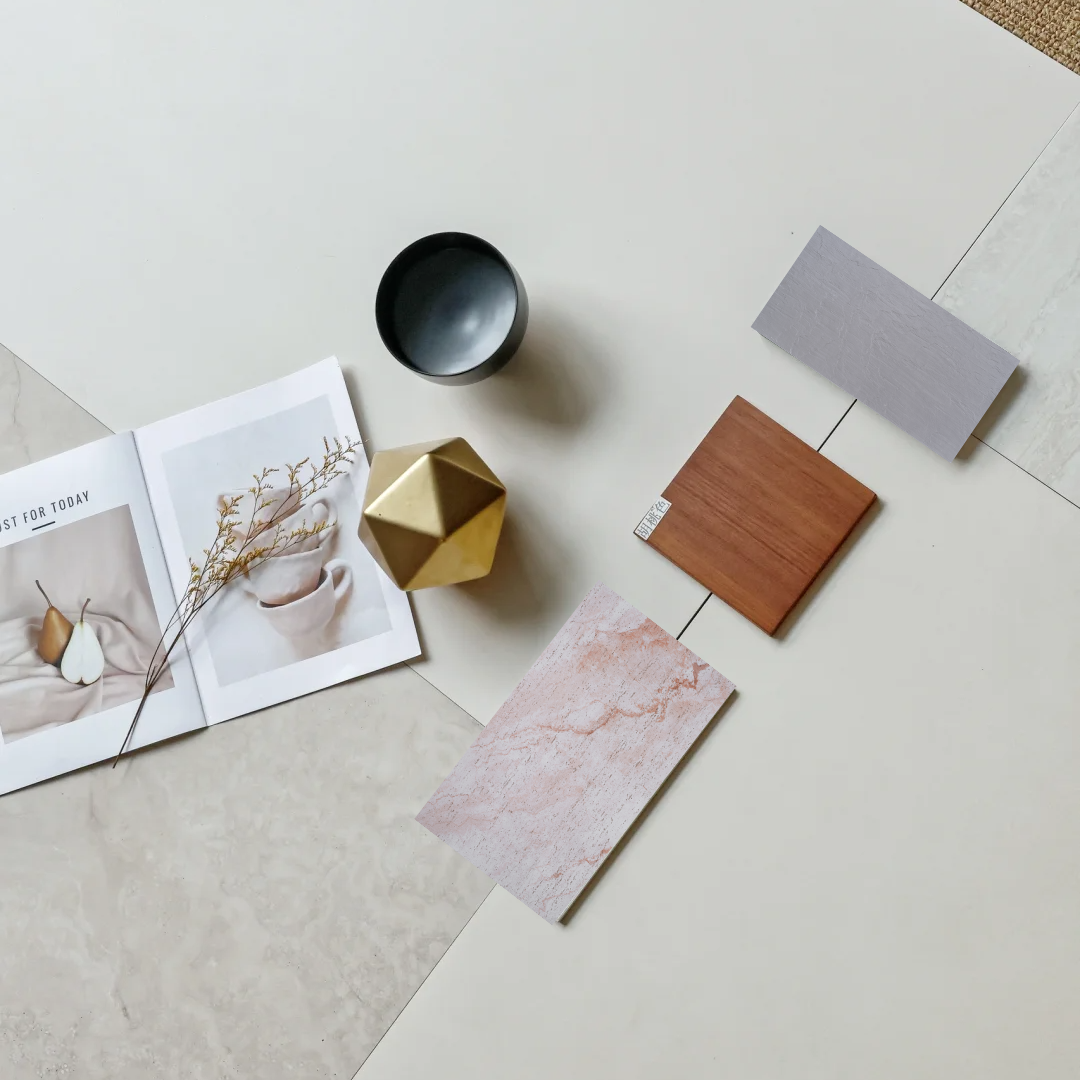
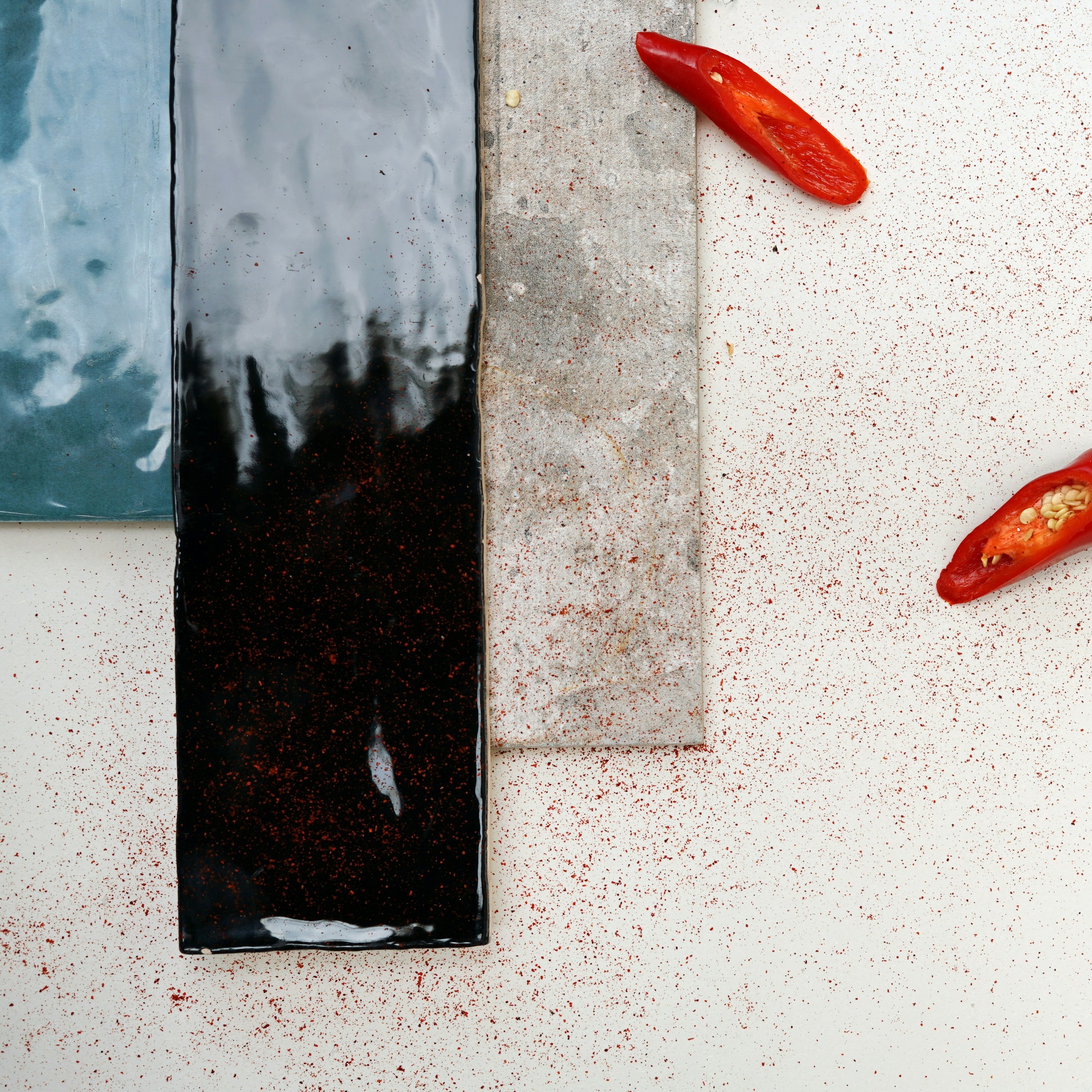


Setiap pemilik rumah mengimpikan bilik mandi yang terasa seperti tempat percutian peribadi — elegan, santai, dan dibina untuk bertahan. Tetapi apabila ia datang untuk memilih bahan, persoalannya bukan hanya tentang rupa. Ini mengenai prestasi setiap permukaan di bawah kelembapan dan haba.
Ramai vendor mendakwa batu fleksibel mereka adalah "selamat bilik mandi,” tetapi sedikit yang menjelaskan cetakan halus: tidak semua kawasan bilik mandi menghadapi keadaan lembapan yang sama. Hakikatnya ialah batu fleksibel itu berprestasi cantik zon kering tetapi bergelut di bawah pendedahan air yang berterusan.
Fikirkan seperti ini: dengan cara yang sama anda tidak akan menggunakan kain di mana hujan setiap hari, anda tidak sepatutnya menggunakan batu fleksibel di mana air sentiasa mengalir. Memahami peraturan pengezonan kering-basah membantu anda mencipta bilik mandi yang menakjubkan dan pintar.
Perkara yang Menjadikan Bilik Mandi Rumit untuk Batu Fleksibel
Bilik mandi boleh menjadi persekitaran yang mengejutkan untuk bahan dinding.
Purata mandian meningkatkan tahap kelembapan hampir 100% tanpa sebarang ekzos, manakala selebihnya bilik berlegar antara 60–70%. Kitaran stim berterusan ini, pemeluwapan, dan pengeringan menguji sejauh mana kemasan dinding anda boleh bernafas dan mengikat.
Manakala Vista Batu fleksibel mempunyai rintangan kelembapan yang sangat baik, ia tidak direka untuk ditenggelami atau disimbah secara berterusan. Pengedap permukaannya menangkis wap, tetapi seperti mana-mana bahan komposit, ia memerlukan keadaan terkawal untuk melaksanakan jangka panjang.
Begini cara ia dibandingkan dengan kemasan dinding biasa:
| bahan | Penyerapan Air | Rintangan Kelembapan | Zon yang disyorkan |
| Batu fleksibel | Rendah hingga sederhana | Sederhana | Kawasan kering (kesombongan, dinding tandas) |
| Jubin seramik | Sangat rendah (<0.5%) | Cemerlang | Kawasan basah (mandi, tab mandi) |
| Penutup Dinding Vinyl | rendah | Sederhana | Kawasan kering sahaja |
Batu fleksibel Vista menemui titik manisnya dalam persekitaran yang kaya dengan kelembapan (seperti rumah tropika atau pusat peranginan pantai) di mana terdapat lembapan tetapi tidak sentiasa mengalir.
Kawasan Kering vs Basah: Tempat Anda Boleh Menggunakan Batu Fleksibel
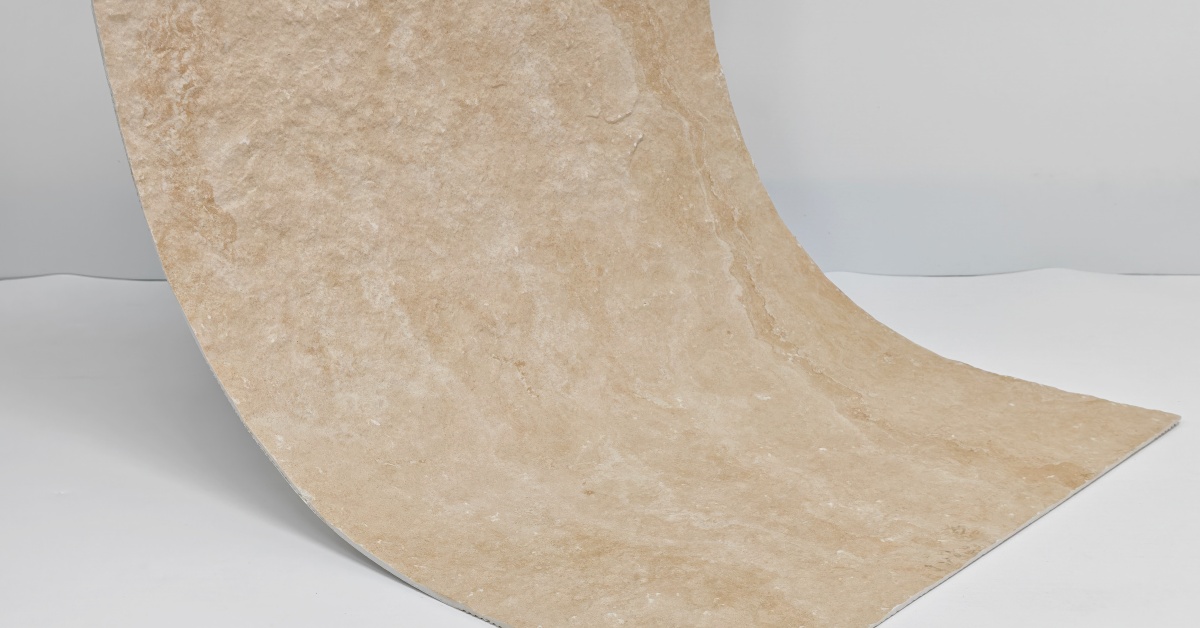
Apabila merancang susun atur anda, bayangkan bilik mandi anda sebagai dua iklim yang berbeza: satu dengan kabus ringan (zon kering) dan satu lagi dengan hujan (zon basah). Masing-masing menuntut strategi materialnya sendiri.
Zon Kering
Ini adalah kawasan yang berurusan terutamanya dengan kelembapan di udara, bukan semburan air langsung:
- Percikan belakang meja solek dan dinding cermin: Tambahkan tekstur di belakang cermin untuk kemewahan gaya hotel.
- Dinding tandas dan sekatan atas: Cipta kontras menggunakan kemasan Travertine atau matte tona hangat.
- Separuh atas dinding: Gunakan tekstur batu ke atas untuk lancar, rupa seni bina.
Sebuah hotel butik di Bali menggunakan Siri Travertine Itali Vista di sebalik cermin solek untuk membawa kehangatan semula jadi kepada ruang minimalis.. Panel kekal bersih walaupun selepas berbulan-bulan kelembapan tropika.
Zon Basah
Ini adalah tempat di mana air mengalir atau kolam setiap hari:
- gerai mandi
- Tab mandi mengelilingi
- Bahagian dinding berhampiran longkang atau paip
Untuk kawasan-kawasan ini, jubin seramik dan jubin porselin masih mengatasi prestasi batu lentur kerana kadar penyerapan air yang sangat rendah. Mencampur kedua-dua bahan (jubin untuk kawasan basah dan batu fleksibel untuk kering) memberikan anda yang terbaik dari kedua-dua dunia.
Cara Memasang Batu Fleksibel di Zon Kering Bilik Mandi
Pemasangan memainkan peranan besar dalam cara batu fleksibel bertahan dalam ujian masa. Malah bahan premium akan gagal jika pelekat atau kaedah pengedap yang salah digunakan.
Petua Pemasangan
- Gunakan pelekat batu fleksibel yang dipertingkatkan polimer.
Pelekat jenis ini mengandungi polimer elastik yang membenarkan pergerakan sedikit tanpa retak. Namun begitu, adalah penting untuk mengetahui bahawa walaupun ia dipanggil "fleksibel,” ia menyembuhkan kepada keadaan pepejal - tidak lembut atau cair. Setelah ditetapkan, ia mewujudkan stabil, ikatan tahan lembapan. - Ratakan dan bersihkan bahagian tepi belakang.
Pengisaran atau pembersihan memastikan selesa, malah sesuai, menghalang bonjolan yang boleh mengumpul pemeluwapan. - Rawat jahitan dengan berhati-hati.
Gunakan pelekat grouting antara panel, terutamanya di sekeliling cermin atau meja solek. - Periksa sudut dengan kerap.
Sudut cenderung mengembang dan mengecut sedikit dengan perubahan suhu, jadi pemeriksaan berkala membantu mengelakkan keretakan.
Untuk Petua: Fikirkan jahitan sebagai perisai bilik mandi anda — tidak kelihatan tetapi penting. Mengedapnya dengan betul boleh memanjangkan jangka hayat pemasangan anda selama bertahun-tahun.
Kelembapan: Faktor Senyap
Kelembapan tidak membuat bising, tetapi ia secara senyap-senyap membentuk semula bahan anda setiap hari. Stim mengembang permukaan, udara sejuk menguncup mereka, dan hasilnya adalah pergerakan mikro.
- Dalam zon basah, tolak-tarik yang berterusan menyebabkan keletihan dan kehausan permukaan.
- Dalam zon kering, kelembapan persekitaran kekal stabil, batu lentur Vista yang mudah tahan.
Dalam simulasi makmal yang mereplikasi kelembapan Asia Tenggara (60-70% kelembapan relatif untuk 72 jam), Panel Vista mengekalkan lekatan dan kestabilan warna.
Nota praktikal: Jika bilik mandi anda mempunyai pengudaraan yang lemah, pertimbangkan untuk menambah kipas ekzos atau bolong tingkap. Aliran udara yang betul bukan sahaja melindungi permukaan batu anda tetapi juga menghalang pembentukan acuan dan bau.
Pembersihan dan Penyelenggaraan: Zon Kering vs Basah
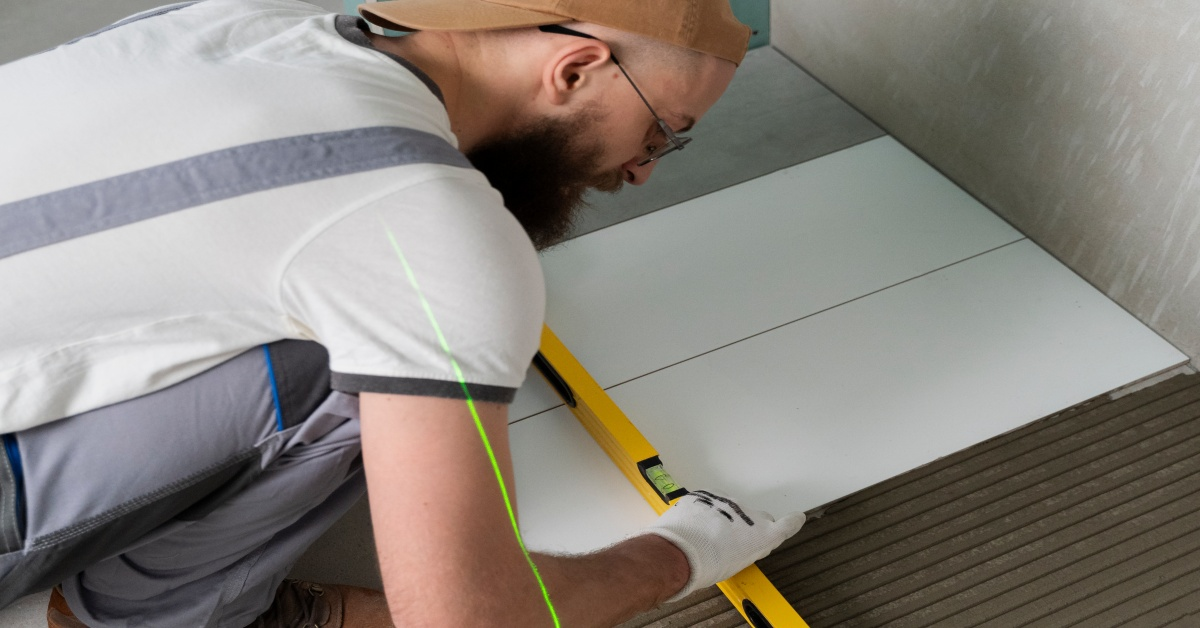
Penyelenggaraan adalah di mana batu fleksibel benar-benar membuktikan nilainya. Di zon kering, licinnya, permukaan bersalut menjadikan pembersihan mudah - lap cepat memulihkan kemasan asalnya.
| Jenis Kawasan | Pendedahan Biasa | Keperluan Penyelenggaraan | Isu Biasa |
| Zon Kering (Kesombongan, Dinding Tandas) | Wap ringan dan percikan sekali-sekala | Lap setiap minggu dengan detergen lembut dan kain lembut | habuk, tompok air |
| Zon Basah (Mandi, Tab mandi) | Sentuhan air dan pemeluwapan berterusan | Penghapusan harian, tutup semula setiap beberapa bulan | acuan, pengumpulan mineral, permukaan kusam |
Jika anda pernah bergelut untuk menggosok grout jubin, anda akan menghargai permukaan batu yang mudah lentur yang hampir lancar. Panel format besarnya bermakna lebih sedikit sambungan untuk dibersihkan dan tiada garisan grout untuk dilunturkan warna. Namun begitu, meletakkannya di tempat air mencecah setiap hari mengalahkan kelebihan penyelenggaraannya yang rendah.
Idea Reka Bentuk untuk Zon Kering Bilik Mandi
Batu fleksibel menawarkan kebebasan kreatif pereka tanpa beban struktur. Begini cara pemilik rumah dan profesional menggunakannya:
- Loghat dinding kesombongan: Pilih Vista Siri Travertine dalam warna hangat untuk memperkenalkan kontras terhadap lekapan krom.
- Serlahkan dinding partition atau aksen: Cubalah Siri Batu Seni untuk moden, kesan arca.
Dalam projek kediaman di seluruh Asia Tenggara, pereka memadankan batu fleksibel dengan lampu latar untuk mencipta bilik mandi berinspirasikan spa yang kekal kering namun kaya dengan visual.
Reka Bentuk Bijak, Zon dengan Bijak
Batu fleksibel benar-benar boleh dimiliki dalam bilik mandi anda — selagi anda tahu di mana untuk menggunakannya. Ia sesuai untuk dinding kesombongan, latar belakang cermin, kawasan aksen kering, dan sekatan atas yang menghadapi kelembapan tetapi bukan air langsung.
Jika anda merancang untuk mengubah suai, pertimbangkan mengadun bahan: batu fleksibel untuk keanggunan di zon kering, dan jubin seramik untuk perlindungan berkekalan di zon basah. bersama-sama, mereka mencapai keseimbangan ideal antara fungsi dan bentuk.
Pada Foshan Vista Building Material Co., LTD., kami membantu pembina, pereka bentuk, dan pemilik rumah memilih bahan yang berprestasi cantik dalam setiap persekitaran.
Hubungi kami untuk meminta sampel atau mendapatkan panduan pakar tentang pengezonan bilik mandi dan kaedah pemasangan untuk projek anda yang seterusnya.