 Daerah Lanshan, Dengarkan, Wilayah Shandong
 info@wstmaterials.com
 8615588128836
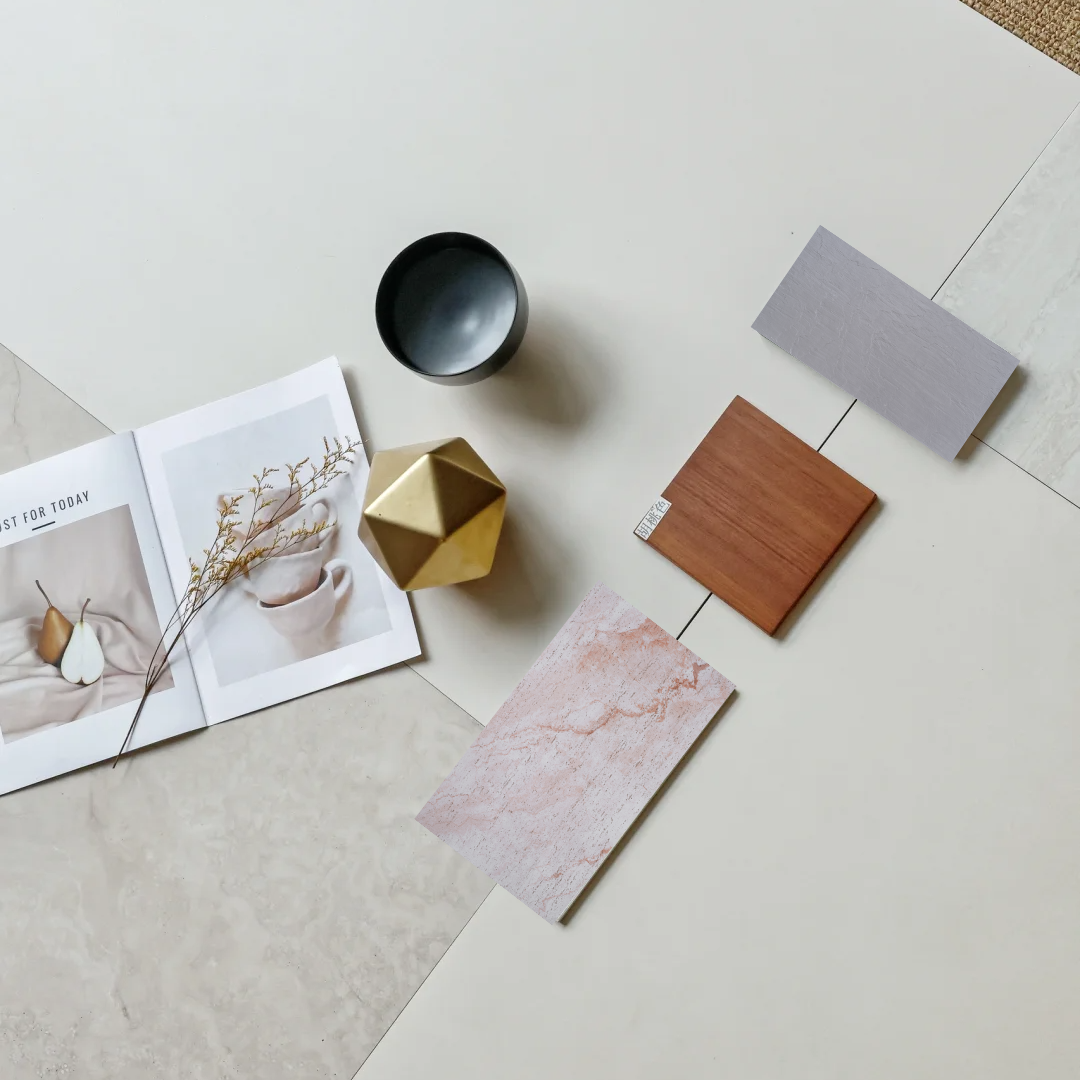
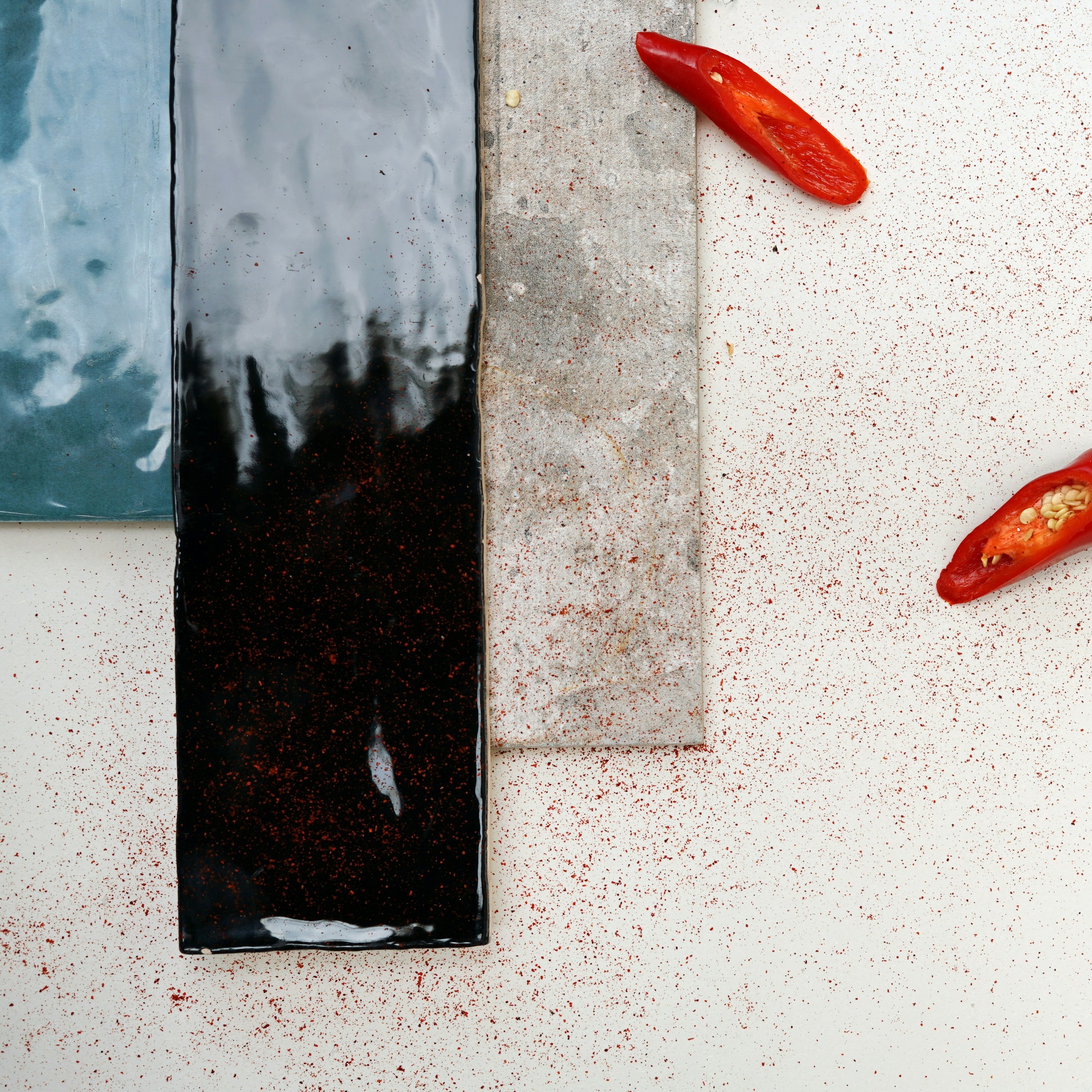


Ketika orang pertama mendengar istilah batu fleksibel, Soalan segera adalah: Adalah batu fleksibel lembut? The word “soft” can be misleading. It might make you imagine a cushion-like surface, but the reality is different. Flexible stone is unique because it combines the natural look of stone with the ability to bend and adapt to surfaces where traditional stone would fail.
Imagine renovating a living room wall where natural stone would normally take days of work and heavy lifting. Flexible stone lets you achieve the same look in a fraction of the time, without sacrificing beauty or durability. In this article, we’ll explore what flexible stone really feels like, how it’s made, and why it’s becoming a popular choice for modern construction and decoration.
As an online building materials supplier, Foshan Vista makes it simple for businesses worldwide to source flexible stone panels without the hassle of complicated procurement.
What Is Flexible Stone and How Does It Work?
Flexible stone panels are a new generation of eco-friendly building materials designed to replicate the feel and look of natural stone while remaining lightweight and adaptable. Mereka dicipta dengan membentuk, Baking, percetakan, dan memotong campuran bahan tak organik dan mesh serat kaca ke dalam lembaran, gegelung, atau blok.
These panels:
- Mengekalkan daya tarikan visual batu sebenar.
- Tidak memerlukan pengendalian yang kompleks
- Boleh dipasang dengan mudah
- Ringan dan nipis (2MM-5mm tebal sahaja)
Is Flexible Stone Soft to the Touch or Just Flexible?
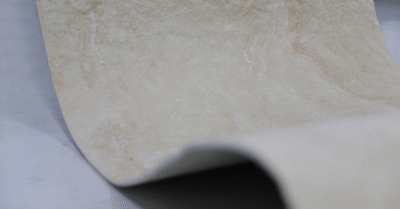
So, is flexible stone soft? The answer depends on how you define “soft.” Flexible stone is not soft to the touch. When you run your hand over its surface, it feels smooth, flat, and firm—very similar to traditional stone finishes.
The “softness” actually refers to the flexibility of the material, not its texture. It bends without breaking, which makes it practical for curved surfaces and complex design projects.
It’s a lot like a yoga mat; firm to the surface, yet bends to accommodate curves and shapes. That’s why architects love using it on tricky columns or rounded walls.
Thin, Light, and Flexible: How Flexible Stone Is Made
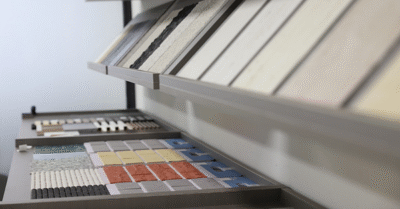
At Vista, every sheet of flexible stone veneer goes through a tightly managed process to ensure it delivers strength, beauty, dan prestasi jangka panjang.
- Ia bermula dengan tanah, serbuk batu, abu gunung berapi, dan mineral bukan organik lain yang dikumpulkan dengan teliti dari alam semula jadi.
- Zarah-zarah ini dihancurkan menjadi serbuk halus dan disalut dengan surfaktan mesra alam, yang meningkatkan kekuatan ikatan dan meminimumkan kesan alam sekitar.
- Bahan yang dirawat ditekan ke dalam acuan silikon bersama -sama dengan mesh gentian kaca, yang memberikan panel tulang belakang dan tekstur batu 3D semulajadi.
- Setiap lembaran dibakar pada suhu terkawal antara 160 ° C dan 200 ° C selama kira -kira 6 jam, Membuat panel yang tetap stabil walaupun panas, lembap, atau iklim yang mencabar.
- Percetakan resolusi tinggi menambah urat dan corak yang realistik, Kemudian meterai pelindung digunakan untuk menahan kerosakan dan kesan UV.
- The finished panels are cut into sheets, gegelung, atau blok, making them lightweight, easy to transport, and flexible enough for a variety of applications.
Why does this matter for your project?
Kerana setiap langkah (dari rawatan eko untuk menyembuhkan dan menyegel) direka untuk memastikan dinding anda, fasad, atau dalaman memegang penamat selama bertahun -tahun tanpa melengkapkan, mengupas, atau pudar. Ini estetika batu semula jadi, direkayasa untuk realiti pembinaan moden.
Advantages of Flexible Stone Panels Beyond Flexibility
Here’s why flexible stone is quietly stealing the spotlight in modern construction:
Pembinaan ringan
At just 2–5 mm thick, flexible stone panels are light enough for one installer to carry under an arm, roll up a flight of stairs, and get to work. Less weight on the building means less strain on the crew and, yes, less money spent on extra labor.
Eco-Friendly Material
Flexible stone uses fewer raw minerals and relies on efficient production methods. It helps trim down the carbon footprint without sacrificing aesthetics. Architects who care about green certifications (LEED or BREEAM) already see the appeal—it’s an easy win on sustainability checklists.
Cost-Effective Solution
Stone looks expensive because it usually is. Flexible stone rewrites that script. You’re not paying for truckloads of rock or weeks of specialized installation. You’re paying for panels that reduce waste, are custom-fit, and finish faster.
Versatile Applications
Rigid stone forces you into rigid designs. Flexible stone? That’s a different story. It bends around curves, wraps reception desks, and climbs lobbies with ease. In fact, the market for lightweight building materials is growing at more than 5% a year, fueled by the demand for faster, cleaner construction. Flexible stone isn’t just “keeping up.” It’s defining the category.
Developers see quicker turnarounds and fewer shipping costs. Designers now have access to forms and finishes that weren’t even practical a decade ago. And property owners? They get to enjoy spaces that feel modern, tahan lama, and aligned with sustainability goals rather than fighting against them.
Vista doesn’t just ship standard products; we also work as a custom building materials supplier, tailoring flexible stone solutions for unique projects that require specific sizes, warna, or finishes.
Where Can Flexible Stone’s Softness Be Best Utilized?
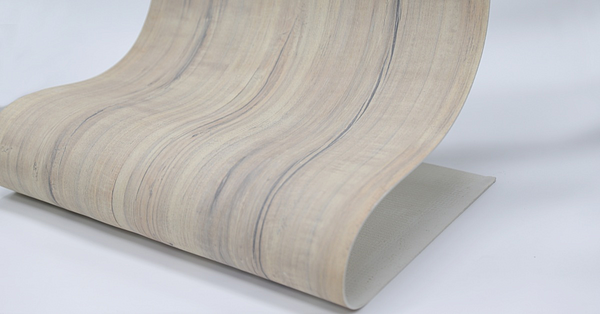
One of the biggest advantages of flexible stone wall panels is their ability to adapt to surfaces where traditional stone would fail, from curved hotel columns to dramatic ceilings.
| Permohonan | Penerangan |
| Curved Walls and Columns | Perfect for hotels, showrooms, and interior design projects that demand creativity. |
| Interior Wall Finishes | Adds elegance to living rooms, lobbies, and hallways without the hassle of heavy stonework. |
| Exterior Facades | Works well on building exteriors when used under the right conditions, offering durability and beauty. |
| Counters and Reception Desks | Ideal for creating modern, professional-looking surfaces that stand out in commercial spaces such as hotels, offices, and showrooms. |
| Ceilings and Arches | Adds drama and texture where traditional stone would be impossible to use. |
| Renovation Projects | Ideal for overlaying existing surfaces, reducing demolition waste, and saving project time. |
We’re seeing a rise in architects experimenting with organic forms (curved facades, flowing interiors, biomimicry-inspired spaces). Materials like flexible stone will be at the forefront of this movement, because they allow design freedom without breaking budgets or timelines.
How Durable Are Flexible Stone Sheets?
Flexibility doesn’t mean fragility. Flexible stone sheets are designed to last when properly installed. They are resistant to cracking, mengupas, and fading, even in high-use areas.
Maintenance Benefits
- Wipe with a damp cloth for everyday upkeep.
- Use pH-neutral cleaners to tackle stains without damaging the surface.
- Flexible backing reduces the risk of cracks compared to rigid stone.
Performance Reliability
- Withstands heat and humidity when installed correctly.
- High-quality surface treatments protect against fading.
- Remains bonded even in curved or vertical installations.
Limitations and Considerations When Using Flexible Stone
Flexible stone brings a lot of advantages to the table, but like any material, it performs best when used in the right conditions. Here are the main limitations to keep in mind:
Application Areas
Flexible stone works beautifully on walls, fasad, and decorative finishes. But it isn’t designed for everything. Constantly submerged spaces, like swimming pools or saunas, or flooring with heavy foot traffic, can compromise performance since its impact resistance is lower than that of solid stone.
Surface and Installation Requirements
To get the most out of flexible stone, the base must be properly prepared. Any unevenness greater than 3 mm across a 2-meter span can lead to hollow spots. Installation also demands skilled application with the right adhesives. Cut corners here, and you risk peeling, menggelegak, or detachment.
Scratch and Impact Resistance
At just 2–5 mm thick, flexible stone is lighter than natural slabs, but that also means it’s more vulnerable to scratches from sharp objects or dents from heavy blows.
UV and Heat Exposure
Outdoor applications should consider prolonged sun exposure, which can cause fading over time if the panels are not properly treated. Similarly, flexible stone should not be installed directly behind high-heat sources such as stoves or open flames.
Moisture and Environmental Conditions
Flexible stone works well in bathroom dry areas and facades when installed correctly, but constant water immersion can compromise adhesives. Rain protection during installation is also critical to prevent early detachment.
Color Consistency
Like tiles, slight variations in shade may occur between production batches. Ordering sufficient material from a single batch ensures color uniformity across large projects.
Price and Maintenance
Flexible stone costs more than basic ceramic tiles but is less expensive than natural stone. While daily upkeep is minimal, some surfaces may need resealing after years of use to preserve color and finish.
Ready to Try Flexible Stone? Hubungi Foshan Vista Hari Ini
Thin, light, and versatile, flexible stone is redefining how architects, designers, and builders approach modern projects, delivering natural stone beauty without the weight or installation challenges.
At Foshan Vista Building Material Co., Ltd., we specialize in delivering eco-friendly flexible stone panels that balance performance, aesthetics, and affordability. As a trusted wholesale building materials exporter, we ensure every order, whether small or large, meets the quality standards global projects demand.
Ready to experience the benefits of flexible stone for yourself?
Contact us today to discuss your project needs.
FAQs About Flexible Stone
- How long does flexible stone last?
It varies. Flexible stone’s durability depends on correct installation, location, and avoiding environments with constant water immersion or heavy mechanical impact. - How does flexible stone compare in price to other materials?
Flexible stone is more affordable than natural stone, but usually costs more than ceramic tiles. Its value lies in offering stone-like aesthetics, easier installation, and long-term durability at a competitive price point.