 ランシャン地区, 聞く, 山東省
 info@wstmaterials.com
 8615588128836
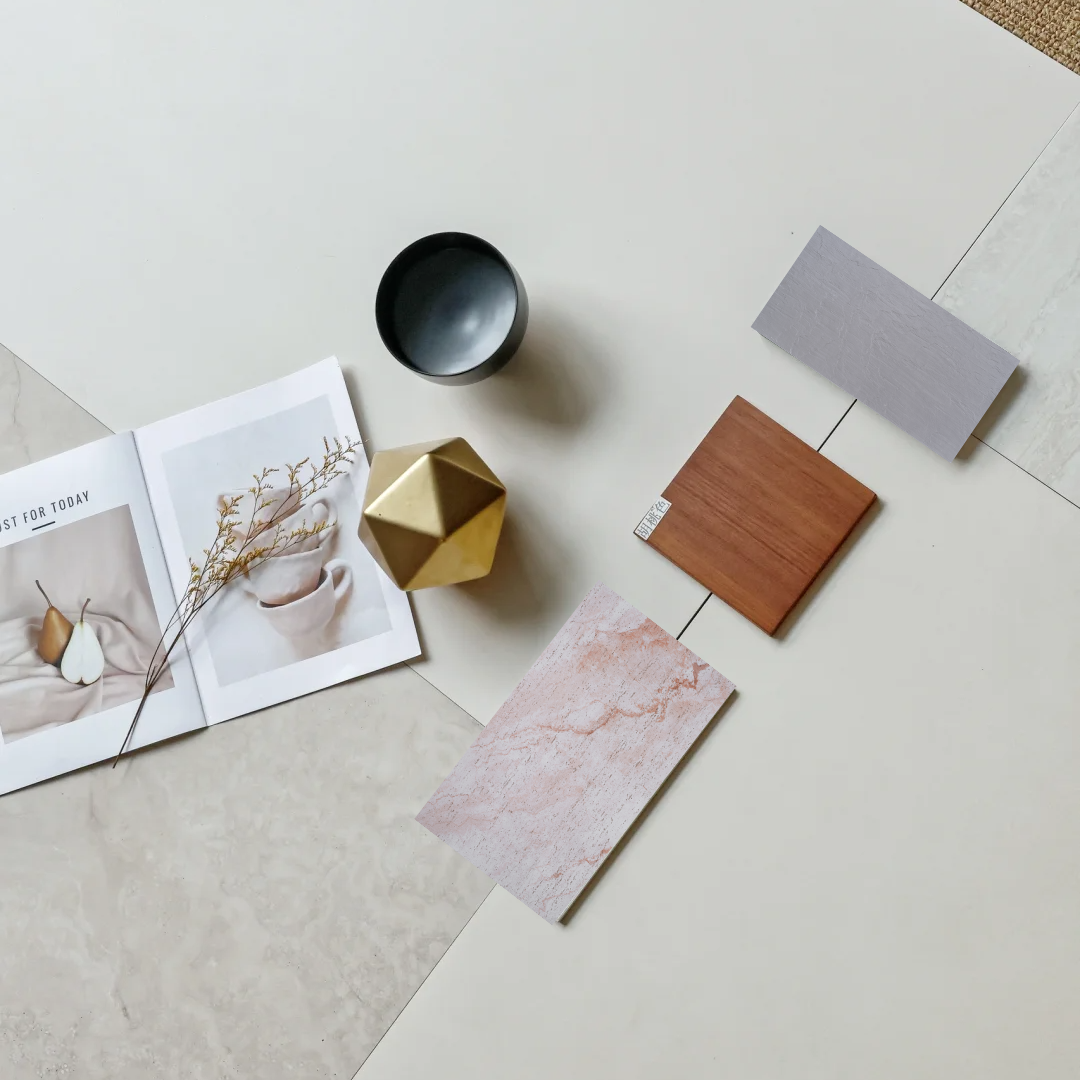
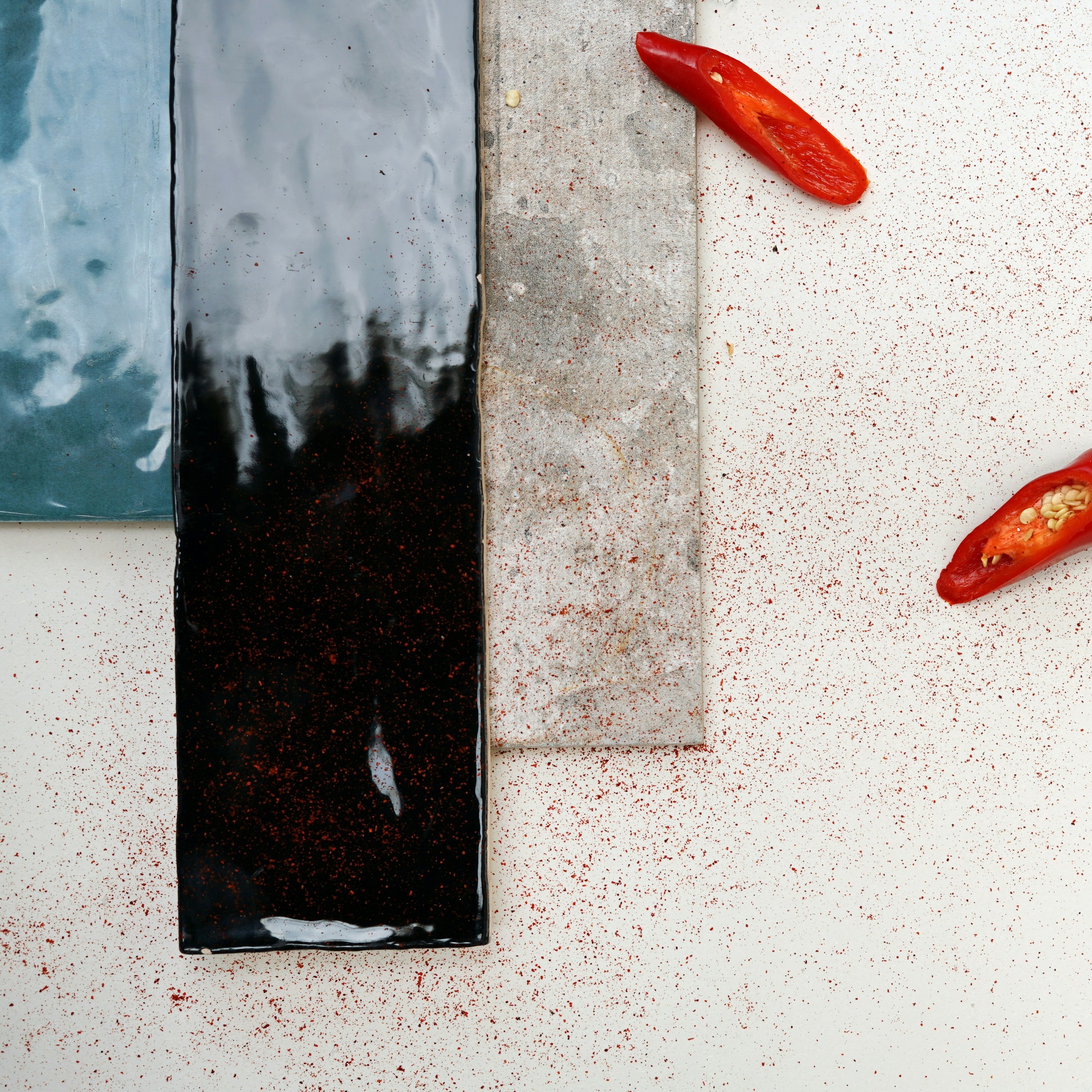

Flexible stone has become one of the most talked-about materials in modern wall renovation. It’s light, elegant, and versatile—everything homeowners love about natural stone, minus the weight and cost. Still, one question often comes up: Can I install flexible stone myself?
To address this, let Vista’s experts walk you through what makes flexible stone unique, which parts of the process seem DIY-friendly, and when it’s best to rely on professional skill to ensure long-term beauty and performance.
What Makes Flexible Stone Unique and Why It Matters
Before picking up any tools, it’s important to understand what you’re working with. Flexible stone isn’t a traditional tile or slab—it’s a thin, flexible panel made from natural minerals and a fiberglass-mesh backing.
This composition gives it several advantages:
- Each sheet is thin and easy to transport, reducing load on walls and making it ideal for renovation in older homes.
- It can be applied to curved surfaces where heavy stone would crack or require custom cutting.
While it’s easy to handle physically, flexible stone still requires precise surface preparation, adhesive selection, and curing time to ensure long-lasting adhesion. That’s where most DIYers underestimate the process.
Why DIY Looks Attractive (But Has Real-World Pitfalls)

Many homeowners are drawn to DIY installation for good reasons. Flexible stone’s lightweight nature and rollable form make it look simple to apply—especially compared to heavy marble or granite tiles.
- Skipping labor seems tempting for smaller wall sections in the dry parts of the bathroom or an accent wall.
- You can arrange color tones or textures exactly how you like, making a space feel uniquely yours.
- Accent walls or feature panels often feel manageable for a first-time installer.
The difference between a stunning, lasting finish and one that starts to peel or warp within months is in preparing and curing them correctly.
Pre-Installation: Planning and Preparation Best Practices
Every professional knows that perfect results begin with preparation. If the base surface isn’t ready, no adhesive or tile will ever sit right.
Here’s what you need to do before the first sheet goes up:
- Check the wall condition. The surface must be structurally sound, flat, clean, and dry. A deviation greater than 3 mm over 2 m can cause hollow spots or uneven adhesion.
- Clean thoroughly. Remove dust, grease, old paint, or any loose material. Even fine dust can weaken adhesive strength.
- Repair flaws. Patch cracks and holes. For new walls, ensure they are fully cured before installation.
- Choose the right adhesive. Only use polymer-enhanced flexible stone adhesive.
Skipping these steps can lead to visible gaps or lifting off over time. Taking your time here pays off in years of durability later.
Installation Process: A Clear Step-by-Step Overview
Installing flexible stone panels involves precision and timing. Below is an overview of how professionals typically do it.
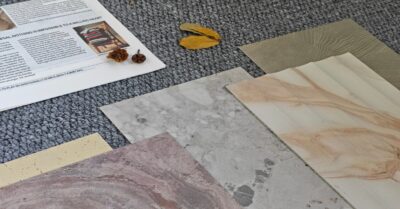
- Layout and Dry Fit: Arrange the panels first to check color consistency and natural flow of texture. This helps avoid mismatched seams and surprises later.
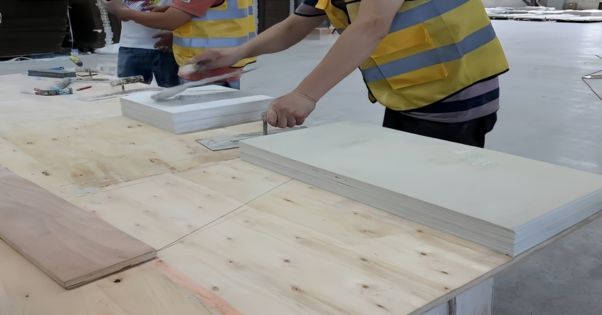
- Adhesive Application: Apply adhesive evenly with a notched trowel. Uniform ridges help ensure strong bonding without air pockets.
- Positioning: Press the sheet into place using a rubber mallet or vibration tool to remove trapped air and improve contact.
- Joint Gaps: Leave 1.5 – 3 mm expansion gaps between sheets to allow for natural thermal movement.
- Curing: Let the adhesive set for 24-72 hours. Keep the area away from heat, direct sunlight, and strong drafts to avoid uneven curing.
Even a small shortcut (like skipping joint spacing or curing time) can compromise the panel’s flexibility and structural bond. Professionals rely on experience to maintain consistent pressure and alignment throughout the job.
Ideal Conditions for Installation: Avoiding Hidden Risks
Environmental conditions affect every phase of installation. Flexible stone performs best when installed in stable surroundings.
- Keep between 5 °C and 35 °C (41 – 95 °F). Extremes weaken adhesion and can lead to cracking or detachment.
- Proper airflow helps adhesives cure evenly and reduces chances of moisture entrapment.
- High humidity, rain, or sudden temperature shifts can trap moisture under panels, creating hollow sounds or discoloration later.
If you live in a tropical or coastal area like the Philippines, scheduling the install during dry, mild weather reduces risks. Always check the local forecast before beginning any work.
Post-Installation Care: Keep It Looking Great For Years
Once your flexible stone is installed, a few simple habits will keep it looking pristine for years.
- Use a soft cloth and pH-neutral cleaner. Avoid acids or abrasive powders that can damage the protective surface seal.
- Do this only after the adhesive has fully cured (24-72 hours). Choose a flexible grout that accommodates small movement.
Follow these tips, and you can expect your walls to look the same years after installation.
When It’s Time to Call the Experts
Small decorative walls or indoor accent pieces can often be handled by careful homeowners. But for full-height walls or installations exposed to fluctuating temperatures, it’s smarter to work with professionals.
Professional installers offer:
- Precision alignment: Level surfaces and clean joint lines throughout.
- Durability and safety: Proper adhesive thickness and curing conditions suited to the local climate.
- Warranty coverage: Many manufacturers only honor product warranties when installed by certified professionals.
Vista’s flexible stone is engineered for both beauty and performance, and that performance truly shines when handled by skilled experts familiar with its specific requirements.
Make the Smart Choice: DIY or Pro Installation?
Flexible stone offers an exciting way to elevate walls and façades without the limitations of traditional stone. While it’s possible to install it yourself on smaller, indoor projects, larger applications deserve professional attention.
At Foshan Vista Building Material Co., Ltd., we believe informed homeowners make better design choices. Our experts are always ready to provide guidance on installation techniques, adhesive selection, and maintenance planning.
With the right preparation (and perhaps the right partner), your flexible stone walls can stay elegant, 耐久性, and timeless for years to come.