 District de Lanshan, Écouter, Province du shandong
 info@wstmaterials.com
 8615588128836
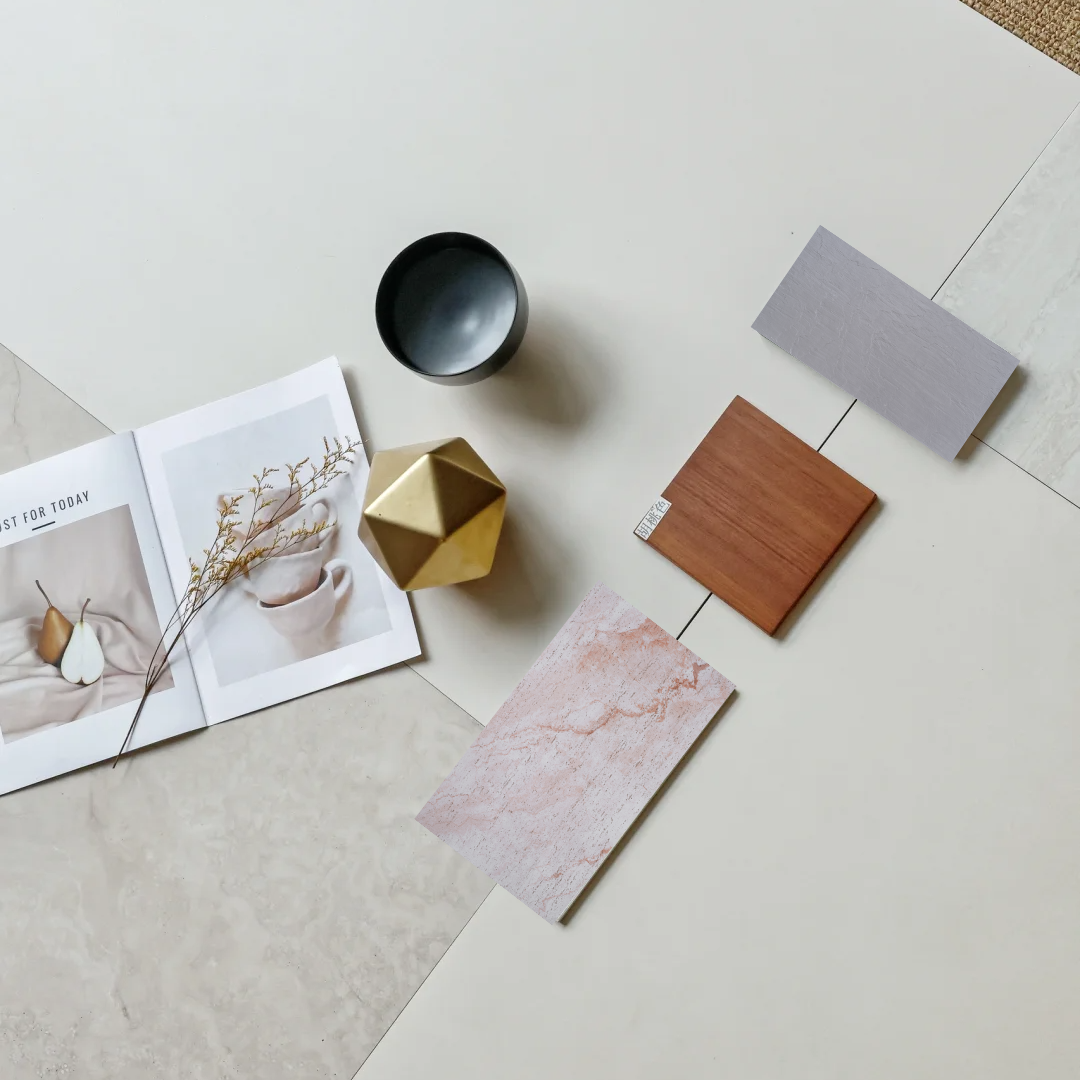
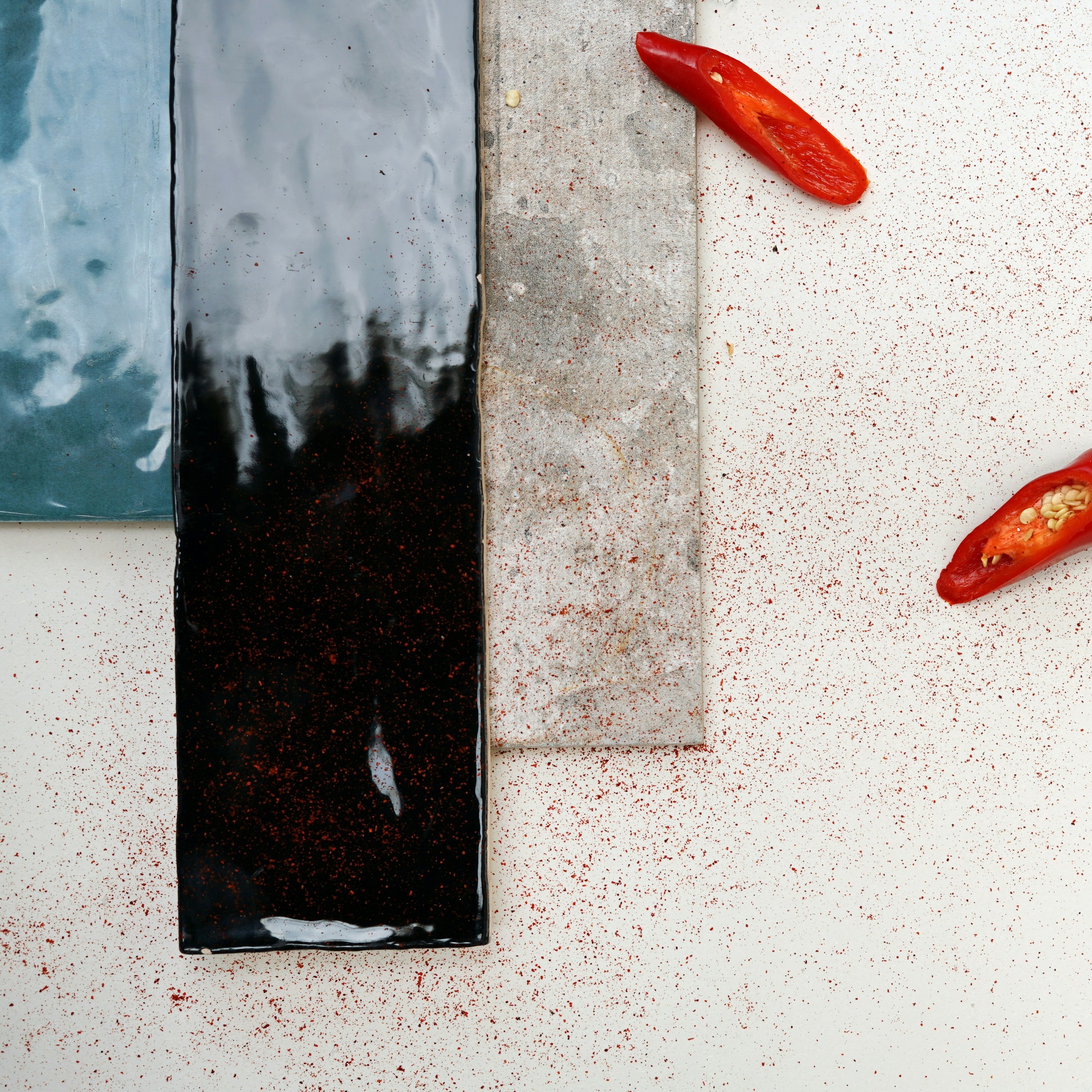


Quand les gens entendent pour la première fois le terme pierre flexible, la question immédiate est: La pierre flexible est-elle douce? Le mot « doux » peut être trompeur. Cela pourrait vous faire imaginer une surface semblable à un coussin, mais la réalité est différente. La pierre flexible est unique car elle combine l'aspect naturel de la pierre avec la capacité de se plier et de s'adapter aux surfaces où la pierre traditionnelle échouerait..
Imaginez rénover un mur de salon où la pierre naturelle nécessiterait normalement des jours de travail et de gros efforts.. La pierre flexible vous permet d'obtenir le même look en une fraction du temps, sans sacrifier la beauté ou la durabilité. Dans cet article, nous explorerons à quoi ressemble réellement la pierre flexible, comment c'est fait, et pourquoi il devient un choix populaire pour la construction et la décoration modernes.
En tant que fournisseur de matériaux de construction en ligne, Foshan Vista permet aux entreprises du monde entier de s'approvisionner en panneaux de pierre flexibles sans les tracas d'un approvisionnement compliqué..
Qu'est-ce que la pierre flexible et comment ça marche?
Les panneaux de pierre flexibles sont une nouvelle génération de matériaux de construction écologiques conçu pour reproduire la sensation et l'apparence de la pierre naturelle tout en restant léger et adaptable. Ils sont créés en formant, pâtisserie, impression, et découper un mélange de matériaux inorganiques et de treillis en fibre de verre en feuilles, bobines, ou des blocs.
Ces panneaux:
- Conservez l’attrait visuel de la vraie pierre.
- Ne nécessite pas de manipulation complexe
- Peut être installé facilement
- Léger et fin (2mm-5 mm d'épaisseur seulement)
La pierre flexible est-elle douce au toucher ou simplement flexible?
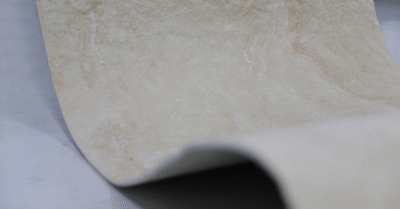
Donc, la pierre flexible est-elle douce? La réponse dépend de la façon dont vous définissez « doux ». La pierre flexible n'est pas douce au toucher. Quand tu passes ta main sur sa surface, c'est doux, plat, et ferme – très similaire aux finitions traditionnelles en pierre.
La « douceur » fait en réalité référence à la souplesse du matériau., pas sa texture. Il se plie sans se casser, ce qui le rend pratique pour les surfaces courbes et les projets de conception complexes.
C'est un peu comme un tapis de yoga; ferme à la surface, mais se plie pour s'adapter aux courbes et aux formes. C'est pourquoi les architectes adorent l'utiliser sur des colonnes délicates ou des murs arrondis..
Mince, Lumière, et flexible: Comment est fabriquée la pierre flexible
Chez Vista, chaque feuille de placage de pierre flexible passe par un processus étroitement géré pour garantir sa résistance, beauté, et des performances à long terme.
- Cela commence par le sol, poudre de pierre, cendre volcanique, et d'autres minéraux inorganiques soigneusement collectés dans la nature.
- Ces particules sont broyées en une fine poudre et recouvertes de tensioactifs écologiques, qui améliorent la force de liaison et minimisent l’impact sur l’environnement.
- Le matériau traité est pressé dans des moules en silicone avec un treillis en fibre de verre, ce qui donne au panneau sa colonne vertébrale et sa texture naturelle en pierre 3D.
- Chaque feuille est cuite à des températures contrôlées entre 160 °C et 200°C pendant environ 6 heures, créant des panneaux qui restent stables même par temps chaud, humide, ou des climats difficiles.
- L'impression haute résolution ajoute des veines et des motifs réalistes, puis un sceau protecteur est appliqué pour résister aux dommages causés par les UV et aux taches.
- Les panneaux finis sont découpés en feuilles, bobines, ou des blocs, les rendant légers, facile à transporter, et suffisamment flexible pour une variété d'applications.
Pourquoi est-ce important pour votre projet?
Parce que chaque étape (du traitement écologique au durcissement et au scellement) est conçu pour garantir que vos murs, façades, ou les intérieurs conservent leur finition pendant des années sans se déformer, peeling, ou la décoloration. C'est l'esthétique de la pierre naturelle, conçu pour les réalités de la construction moderne.
Avantages des panneaux de pierre flexibles au-delà de la flexibilité
Voici pourquoi la pierre flexible vole discrètement la vedette dans la construction moderne:
Construction légère
Avec seulement 2 à 5 mm d'épaisseur, les panneaux de pierre flexibles sont suffisamment légers pour qu'un installateur puisse les porter sous le bras, monter un escalier, et me mettre au travail. Moins de poids sur le bâtiment signifie moins de pression sur l'équipage et, Oui, moins d'argent dépensé en travail supplémentaire.
Matériau écologique
La pierre flexible utilise moins de minéraux bruts et s'appuie sur des méthodes de production efficaces. Il aide à réduire l’empreinte carbone sans sacrifier l’esthétique. Des architectes soucieux des certifications vertes (LEED ou BREEAM) vous voyez déjà l’attrait : c’est une victoire facile sur les listes de contrôle de développement durable.
Solution rentable
La pierre a l’air chère parce qu’elle l’est généralement. La pierre flexible réécrit ce script. Vous ne payez pas pour des camions de roche ou des semaines d’installation spécialisée. Vous payez pour des panneaux qui réduisent les déchets, sont adaptés sur mesure, et finir plus vite.
Applications polyvalentes
La pierre rigide vous oblige à adopter des conceptions rigides. Pierre souple? C'est une autre histoire. Il se plie dans les courbes, enveloppe les bureaux de réception, et grimpe facilement dans les halls. En fait, le marché des matériaux de construction légers connaît une croissance de plus de 5% un an, alimenté par la demande de rapidité, construction plus propre. La pierre flexible ne se contente pas de « suivre le rythme ». C'est définir la catégorie.
Les développeurs constatent des délais d'exécution plus rapides et des frais d'expédition réduits. Les designers ont désormais accès à des formes et des finitions qui n’étaient même pas pratiques il y a dix ans.. Et les propriétaires? Ils profitent d’espaces modernes, durable, et aligné sur les objectifs de développement durable plutôt que de lutter contre eux.
Vista ne livre pas seulement des produits standards; nous travaillons également comme fournisseur de matériaux de construction sur mesure, concevoir des solutions de pierre flexibles pour des projets uniques qui nécessitent des tailles spécifiques, couleurs, ou finitions.
Où peut-on utiliser au mieux la douceur de la pierre flexible ??
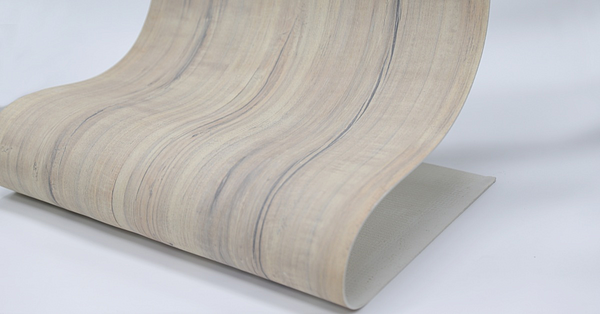
L'un des plus grands avantages des panneaux muraux flexibles en pierre est leur capacité à s'adapter aux surfaces sur lesquelles la pierre traditionnelle échouerait., des colonnes d'hôtel incurvées aux plafonds spectaculaires.
| Application | Description |
| Murs et colonnes courbes | Parfait pour les hôtels, salles d'exposition, et des projets de design d'intérieur qui exigent de la créativité. |
| Finitions des murs intérieurs | Ajoute de l'élégance aux salons, lobbys, et couloirs sans les tracas de lourdes pierres. |
| Façades extérieures | Fonctionne bien à l'extérieur des bâtiments lorsqu'il est utilisé dans les bonnes conditions, offrant durabilité et beauté. |
| Comptoirs et bureaux de réception | Idéal pour créer du moderne, des surfaces d'aspect professionnel qui se démarquent dans les espaces commerciaux tels que les hôtels, bureaux, et salles d'exposition. |
| Plafonds et arches | Ajoute du drame et de la texture là où la pierre traditionnelle serait impossible à utiliser. |
| Projets de rénovation | Idéal pour superposer des surfaces existantes, réduire les déchets de démolition, et gagner du temps sur le projet. |
Nous constatons une augmentation du nombre d’architectes expérimentant des formes organiques (façades courbes, intérieurs fluides, des espaces inspirés du biomimétisme). Les matériaux comme la pierre flexible seront à l'avant-garde de ce mouvement, parce qu'ils permettent une liberté de conception sans casser les budgets ou les délais.
Quelle est la durabilité des feuilles de pierre flexibles?
La flexibilité ne signifie pas la fragilité. Les feuilles de pierre flexibles sont conçues pour durer lorsqu'elles sont correctement installées. Ils résistent aux fissures, peeling, et la décoloration, même dans les zones très fréquentées.
Avantages de l'entretien
- Essuyer avec un chiffon humide pour l'entretien quotidien.
- Utilisez des nettoyants au pH neutre pour éliminer les taches sans endommager la surface.
- Le support flexible réduit le risque de fissures par rapport à la pierre rigide.
Fiabilité des performances
- Résiste à la chaleur et à l’humidité lorsqu’il est installé correctement.
- Des traitements de surface de haute qualité protègent contre la décoloration.
- Reste collé même dans les installations courbes ou verticales.
Limites et considérations lors de l'utilisation de la pierre flexible
La pierre flexible apporte de nombreux avantages à la table, mais comme tout matériau, il fonctionne mieux lorsqu'il est utilisé dans les bonnes conditions. Voici les principales limites à garder à l’esprit:
Domaines d'application
La pierre flexible fonctionne à merveille sur les murs, façades, et finitions décoratives. Mais il n'est pas conçu pour tout. Des espaces constamment submergés, comme les piscines ou les saunas, ou revêtement de sol à forte circulation piétonnière, peut compromettre les performances puisque sa résistance aux chocs est inférieure à celle de la pierre solide.
Exigences de surface et d'installation
Pour tirer le meilleur parti de la pierre flexible, la base doit être correctement préparée. Toute irrégularité supérieure à 3 mm sur une portée de 2 mètres peut conduire à des points creux. L'installation nécessite également une application compétente avec les bons adhésifs. Économisez ici, et tu risques de peler, bouillonnant, ou détachement.
Résistance aux rayures et aux chocs
Avec seulement 2 à 5 mm d'épaisseur, la pierre flexible est plus légère que les dalles naturelles, mais cela signifie également qu’il est plus vulnérable aux rayures causées par des objets pointus ou aux bosses causées par des coups violents.
Exposition aux UV et à la chaleur
Les applications extérieures doivent envisager une exposition prolongée au soleil, ce qui peut provoquer une décoloration avec le temps si les panneaux ne sont pas correctement traités. De la même manière, la pierre flexible ne doit pas être installée directement derrière des sources de chaleur élevée telles que des poêles ou des flammes nues.
Humidité et conditions environnementales
La pierre flexible fonctionne bien dans les zones sèches et les façades de salles de bains lorsqu'elle est installée correctement, mais une immersion constante dans l'eau peut compromettre les adhésifs. La protection contre la pluie pendant l'installation est également essentielle pour éviter un détachement précoce.
Cohérence des couleurs
Comme des tuiles, de légères variations de teinte peuvent survenir entre les lots de production. Commander suffisamment de matériau à partir d’un seul lot garantit l’uniformité des couleurs sur les grands projets.
Prix et entretien
La pierre flexible coûte plus cher que les carreaux de céramique de base mais est moins chère que la pierre naturelle. Bien que l'entretien quotidien soit minime, certaines surfaces peuvent avoir besoin d'être refermées après des années d'utilisation pour préserver la couleur et la finition.
Pierre flexible prête à l'essai? Contactez Foshan Vista aujourd'hui
Mince, lumière, et polyvalent, la pierre flexible redéfinit la façon dont les architectes, créateurs, et les constructeurs abordent des projets modernes, offrant la beauté de la pierre naturelle sans le poids ni les défis d'installation.
À Foshan Vista matériaux de construction Co., Ltd., nous sommes spécialisés dans la fourniture de panneaux de pierre flexibles et respectueux de l'environnement qui équilibrent les performances, esthétique, et l'abordabilité. En tant qu'exportateur de matériaux de construction en gros de confiance, nous assurons chaque commande, qu'il soit petit ou grand, répond aux normes de qualité exigées par les projets mondiaux.
Prêt à découvrir par vous-même les avantages de la pierre flexible?
Contactez-nous aujourd'hui pour discuter des besoins de votre projet.
FAQ sur la pierre flexible
- Combien de temps dure la pierre flexible?
Cela varie. La durabilité de la pierre flexible dépend d’une installation correcte, emplacement, et en évitant les environnements avec une immersion constante dans l'eau ou un impact mécanique important. - Comment pierre flexible comparer le prix à d'autres matériaux?
La pierre flexible est plus abordable que la pierre naturelle, mais coûte généralement plus cher que les carreaux de céramique. Sa valeur réside dans l’esthétique de la pierre, installation plus facile, et une durabilité à long terme à un prix compétitif.