 Distrito de Lanshan, Escuchar, Provincia de Shandong
 info@wstmaterials.com
 8615588128836
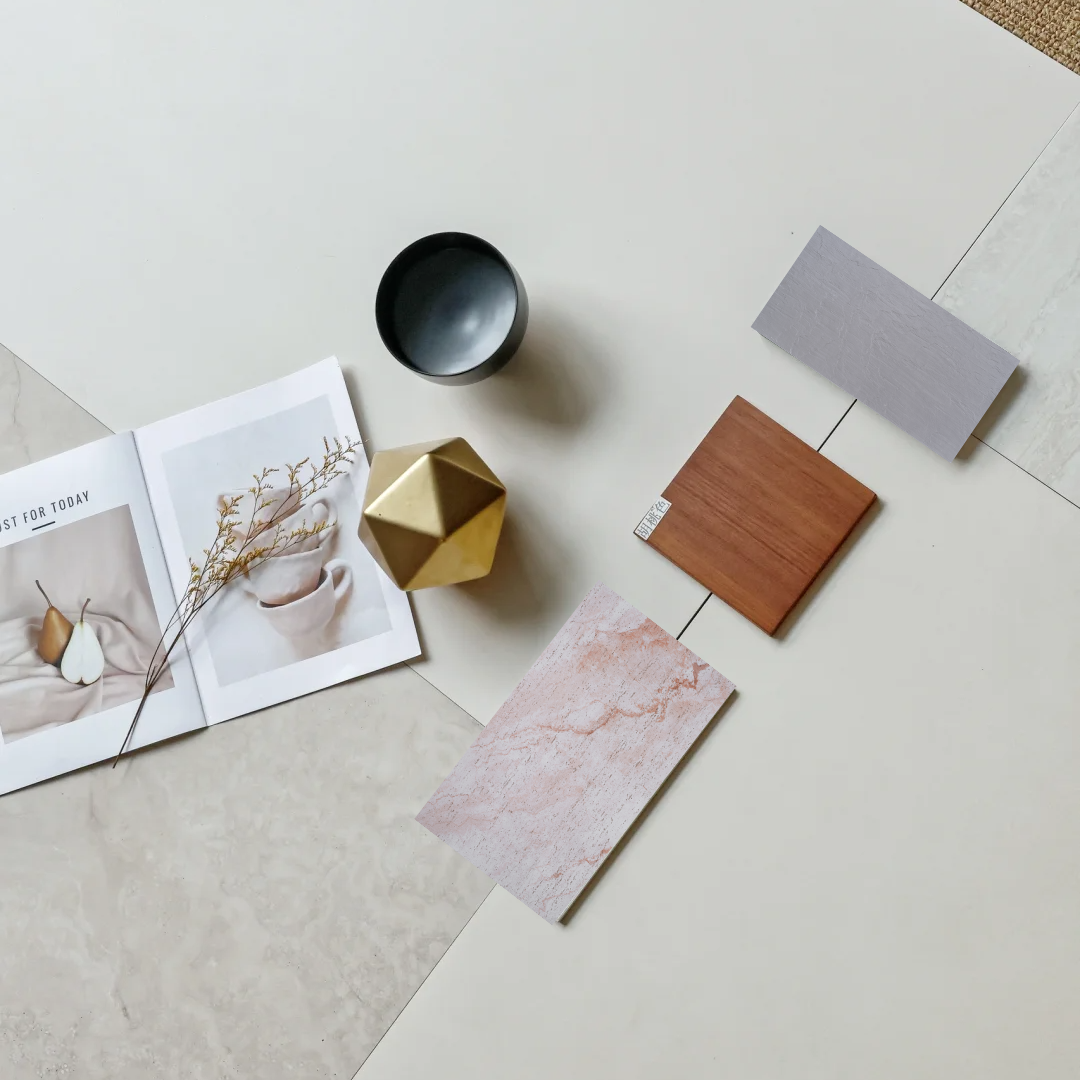
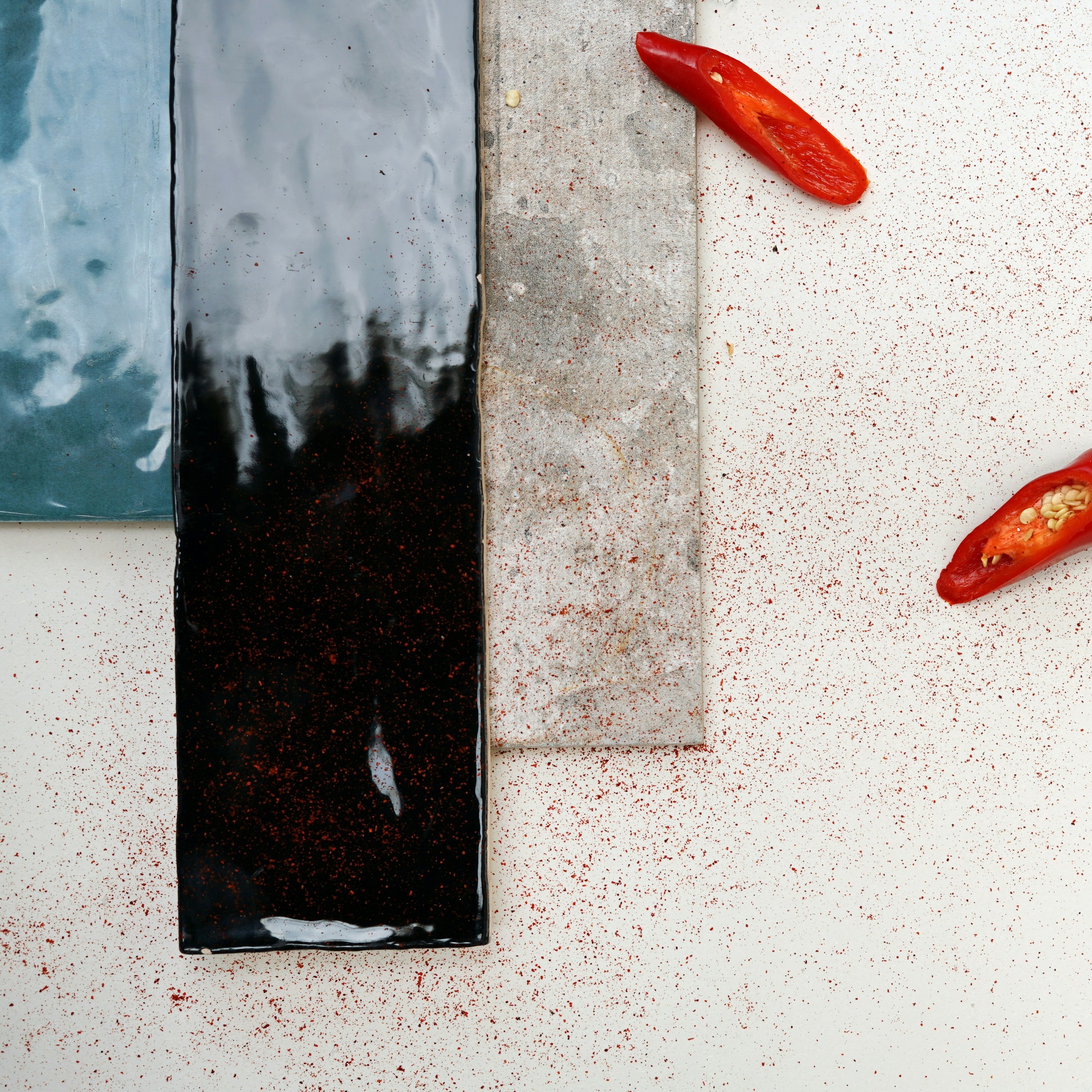


Cuando la gente escucha por primera vez el término piedra flexible, la pregunta inmediata es: ¿Es la piedra flexible y suave?? La palabra "suave" puede ser engañosa. Podría hacerte imaginar una superficie similar a un cojín., pero la realidad es otra. La piedra flexible es única porque combina el aspecto natural de la piedra con la capacidad de doblarse y adaptarse a superficies donde la piedra tradicional fallaría..
Imagínese renovar la pared de una sala de estar donde normalmente la piedra natural requeriría días de trabajo y levantamiento de objetos pesados.. La piedra flexible le permite lograr el mismo aspecto en una fracción del tiempo, sin sacrificar la belleza o la durabilidad. En este artículo, Exploraremos cómo se siente realmente la piedra flexible., como se hace, y por qué se está convirtiendo en una opción popular para la construcción y decoración modernas.
Como proveedor online de materiales de construcción, Foshan Vista simplifica a las empresas de todo el mundo la obtención de paneles de piedra flexibles sin la molestia de una adquisición complicada.
¿Qué es la piedra flexible y cómo funciona??
Los paneles de piedra flexibles son una nueva generación de materiales de construcción ecológicos Diseñado para replicar la sensación y el aspecto de la piedra natural sin dejar de ser liviano y adaptable.. Se crean formando, hornada, impresión, y cortar una mezcla de materiales inorgánicos y malla de fibra de vidrio en láminas, bobinas, o bloques.
Estos paneles:
- Mantenga el atractivo visual de la piedra real..
- No requiere un manejo complejo
- Se puede instalar con facilidad
- Ligero y delgado (2mm-5 mm de espesor solamente)
¿La piedra flexible es suave al tacto o simplemente flexible??
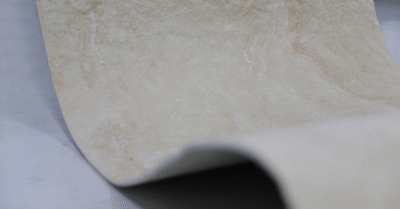
Entonces, es una piedra flexible y suave? La respuesta depende de cómo se defina "suave". La piedra flexible no es suave al tacto.. Cuando pasas la mano por su superficie, se siente suave, departamento, y firme, muy similar a los acabados de piedra tradicionales.
La "suavidad" en realidad se refiere a la flexibilidad del material., no su textura. Se dobla sin romperse, lo que lo hace práctico para superficies curvas y proyectos de diseño complejos.
Se parece mucho a una estera de yoga.; firme a la superficie, pero se dobla para adaptarse a curvas y formas.. Por eso a los arquitectos les encanta usarlo en columnas complicadas o paredes redondeadas..
Delgado, Luz, y flexibles: Cómo se fabrica la piedra flexible
en vista, Cada lámina de revestimiento de piedra flexible pasa por un proceso estrictamente administrado para garantizar que brinde resistencia., belleza, y rendimiento a largo plazo.
- comienza con el suelo, polvo de piedra, ceniza volcánica, y otros minerales inorgánicos cuidadosamente recolectados de la naturaleza.
- Estas partículas se trituran hasta obtener un polvo fino y se recubren con tensioactivos ecológicos., que mejoran la fuerza de unión y minimizan el impacto ambiental.
- El material tratado se prensa en moldes de silicona junto con una malla de fibra de vidrio., lo que le da al panel su columna vertebral y su textura de piedra natural en 3D..
- Cada hoja se hornea a temperaturas controladas entre 160 °C y 200°C durante aproximadamente 6 horas, creando paneles que se mantienen estables incluso en condiciones calientes, húmedo, o climas desafiantes.
- La impresión de alta resolución añade vetas y patrones realistas., luego se aplica un sello protector para resistir el daño de los rayos UV y las manchas..
- Los paneles terminados se cortan en láminas., bobinas, o bloques, haciéndolos livianos, fácil de transportar, y lo suficientemente flexible para una variedad de aplicaciones.
¿Por qué esto es importante para tu proyecto??
Porque cada paso (Del tratamiento ecológico al curado y sellado.) está diseñado para asegurar que sus paredes, fachadas, o los interiores mantienen su acabado durante años sin deformarse, peladura, o desvaneciéndose. Es la estética de la piedra natural., Diseñado para las realidades de la construcción moderna..
Ventajas de los paneles de piedra flexibles más allá de la flexibilidad
He aquí por qué la piedra flexible se está robando silenciosamente el protagonismo en la construcción moderna:
Construcción liviana
Con sólo 2-5 mm de espesor, Los paneles de piedra flexibles son lo suficientemente livianos como para que un instalador los lleve debajo del brazo., subir un tramo de escaleras, y ponte a trabajar. Menos peso en el edificio significa menos tensión para el personal y, Sí, menos dinero gastado en mano de obra extra.
Materiales ecológicos
La piedra flexible utiliza menos minerales en bruto y depende de métodos de producción eficientes. Ayuda a reducir la huella de carbono sin sacrificar la estética.. Arquitectos que se preocupan por las certificaciones verdes (LEED o BREEAM) Ya veo el atractivo: es una victoria fácil en las listas de verificación de sostenibilidad..
Solución rentable
La piedra parece cara porque normalmente lo es.. La piedra flexible reescribe ese guión. No estás pagando por camiones llenos de roca o semanas de instalación especializada.. Estás pagando por paneles que reducen el desperdicio, son personalizados, y terminar más rápido.
Aplicaciones versátiles
La piedra rígida te obliga a realizar diseños rígidos. piedra flexible? Esa es una historia diferente. Se dobla alrededor de las curvas, envuelve mostradores de recepción, y sube vestíbulos con facilidad. De hecho, El mercado de materiales de construcción ligeros está creciendo a más del 100%. 5% un año, impulsado por la demanda de más rápido, construcción más limpia. La piedra flexible no es sólo "mantener el ritmo". Está definiendo la categoría..
Los desarrolladores ven plazos de entrega más rápidos y menores costos de envío. Los diseñadores ahora tienen acceso a formas y acabados que ni siquiera eran prácticos hace una década.. Y los dueños de propiedades? Pueden disfrutar de espacios que se sienten modernos., durable, y alineados con los objetivos de sostenibilidad en lugar de luchar contra ellos.
Vista no sólo envía productos estándar; También trabajamos como proveedores de materiales de construcción personalizados., Adaptación de soluciones de piedra flexibles para proyectos únicos que requieren tamaños específicos., bandera, o acabados.
¿Dónde se puede aprovechar mejor la suavidad de la piedra flexible??
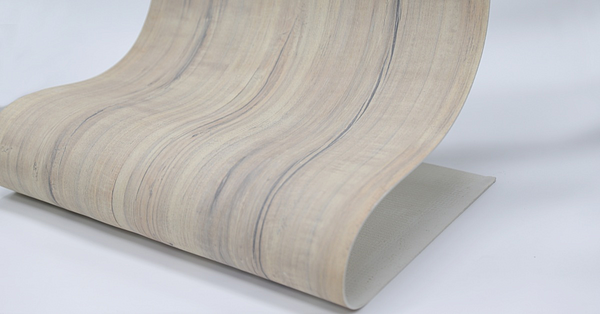
Una de las mayores ventajas de los paneles de pared de piedra flexibles es su capacidad para adaptarse a superficies donde la piedra tradicional fallaría., desde columnas curvas de hotel hasta techos espectaculares.
| Solicitud | Descripción |
| Muros y columnas curvas | Perfecto para hoteles, salas de exposición, y proyectos de interiorismo que exigen creatividad. |
| Acabados de paredes interiores | Añade elegancia a las salas de estar., vestíbulos, y pasillos sin la molestia de la piedra pesada. |
| Fachadas Exteriores | Funciona bien en exteriores de edificios cuando se usa en las condiciones adecuadas, ofreciendo durabilidad y belleza. |
| Mostradores y mostradores de recepción | Ideal para crear moderno., Superficies de aspecto profesional que destacan en espacios comerciales como hoteles., oficinas, y salas de exposición. |
| Techos y Arcos | Agrega dramatismo y textura donde la piedra tradicional sería imposible de usar.. |
| Proyectos de renovación | Ideal para superponer superficies existentes., reducir los residuos de demolición, y ahorrando tiempo en el proyecto. |
Estamos viendo un aumento en el número de arquitectos que experimentan con formas orgánicas. (fachadas curvas, interiores fluidos, espacios inspirados en la biomímesis). Materiales como la piedra flexible estarán a la vanguardia de este movimiento, porque permiten libertad de diseño sin alterar presupuestos ni plazos.
¿Qué tan duraderas son las láminas de piedra flexibles??
Flexibilidad no significa fragilidad. Las láminas de piedra flexibles están diseñadas para durar si se instalan correctamente. Son resistentes al agrietamiento, peladura, y desvaneciéndose, incluso en áreas de alto uso.
Beneficios de mantenimiento
- Limpiar con un paño húmedo para el mantenimiento diario..
- Utilice limpiadores con pH neutro para eliminar las manchas sin dañar la superficie..
- El respaldo flexible reduce el riesgo de grietas en comparación con la piedra rígida.
Fiabilidad del rendimiento
- Resiste el calor y la humedad cuando se instala correctamente.
- Los tratamientos superficiales de alta calidad protegen contra la decoloración..
- Permanece adherido incluso en instalaciones curvas o verticales..
Limitaciones y consideraciones al utilizar piedra flexible
La piedra flexible aporta muchas ventajas, pero como cualquier material, Funciona mejor cuando se usa en las condiciones adecuadas.. Estas son las principales limitaciones a tener en cuenta.:
Áreas de aplicación
La piedra flexible queda muy bien en las paredes, fachadas, y acabados decorativos. Pero no está diseñado para todo. Espacios constantemente sumergidos, como piscinas o saunas, o pisos con mucho tránsito peatonal, puede comprometer el rendimiento ya que su resistencia al impacto es menor que la de la piedra sólida.
Requisitos de superficie e instalación
Para sacarle el máximo partido a la piedra flexible, la base debe estar adecuadamente preparada. Cualquier desnivel mayor que 3 mm en un tramo de 2 metros puede provocar huecos. La instalación también exige una aplicación experta con los adhesivos adecuados.. Cortar esquinas aquí, y corres el riesgo de pelarte, burbujeando, o desapego.
Resistencia a rayones e impactos
Con sólo 2-5 mm de espesor, La piedra flexible es más ligera que las losas naturales., pero eso también significa que es más vulnerable a rayones por objetos afilados o abolladuras por golpes fuertes..
Exposición a los rayos UV y al calor
Las aplicaciones en exteriores deben considerar la exposición prolongada al sol., lo que puede causar decoloración con el tiempo si los paneles no se tratan adecuadamente. Similarmente, La piedra flexible no debe instalarse directamente detrás de fuentes de alto calor, como estufas o llamas abiertas..
Humedad y condiciones ambientales
La piedra flexible funciona bien en áreas secas de baños y fachadas cuando se instala correctamente, pero la inmersión constante en agua puede comprometer los adhesivos. La protección contra la lluvia durante la instalación también es fundamental para evitar el desprendimiento prematuro.
Consistencia del color
Como azulejos, Pueden producirse ligeras variaciones de tono entre lotes de producción.. Solicitar suficiente material de un solo lote garantiza la uniformidad del color en proyectos grandes.
Precio y mantenimiento
La piedra flexible cuesta más que las baldosas cerámicas básicas pero es menos costosa que la piedra natural.. Si bien el mantenimiento diario es mínimo, Es posible que sea necesario volver a sellar algunas superficies después de años de uso para preservar el color y el acabado..
Listo para probar la piedra flexible? Póngase en contacto con Foshan Vista hoy
Delgado, luz, y versatil, La piedra flexible está redefiniendo la forma en que los arquitectos, diseñadores, y los constructores abordan proyectos modernos, Ofrecer la belleza de la piedra natural sin el peso ni los desafíos de instalación..
En Material de construcción Co. de Foshan Vista., Limitado., Nos especializamos en ofrecer paneles de piedra flexibles y ecológicos que equilibran el rendimiento., estética, y asequibilidad. Como exportador mayorista de materiales de construcción confiable, aseguramos cada pedido, ya sea pequeño o grande, Cumple con los estándares de calidad que exigen los proyectos globales..
Listo para experimentar los beneficios de la piedra flexible por sí mismo?
Contáctenos hoy para discutir las necesidades de su proyecto.
Preguntas frecuentes sobre la piedra flexible
- ¿Cuánto dura la piedra flexible??
varía. La durabilidad de la piedra flexible depende de una correcta instalación, ubicación, y evitando ambientes con inmersión constante en agua o fuertes impactos mecánicos.. - ¿Cómo piedra flexible comparar en precio con otros materiales?
La piedra flexible es más asequible que la piedra natural, pero suele costar más que las baldosas cerámicas. Su valor radica en ofrecer una estética similar a la piedra., instalación más fácil, y durabilidad a largo plazo a un precio competitivo.