 Distrito de Lanshan, Escuchar, Provincia de Shandong
 info@wstmaterials.com
 8615588128836
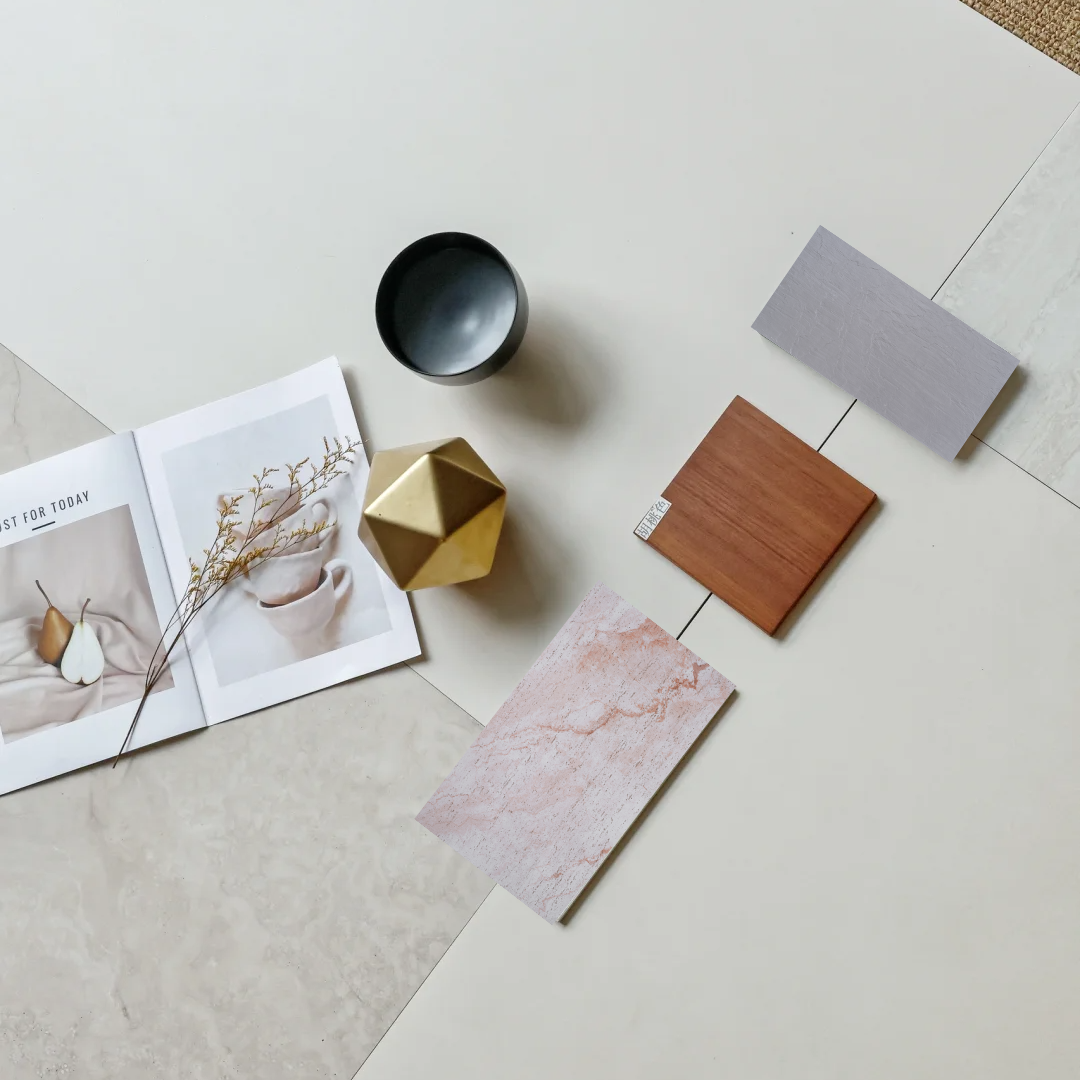
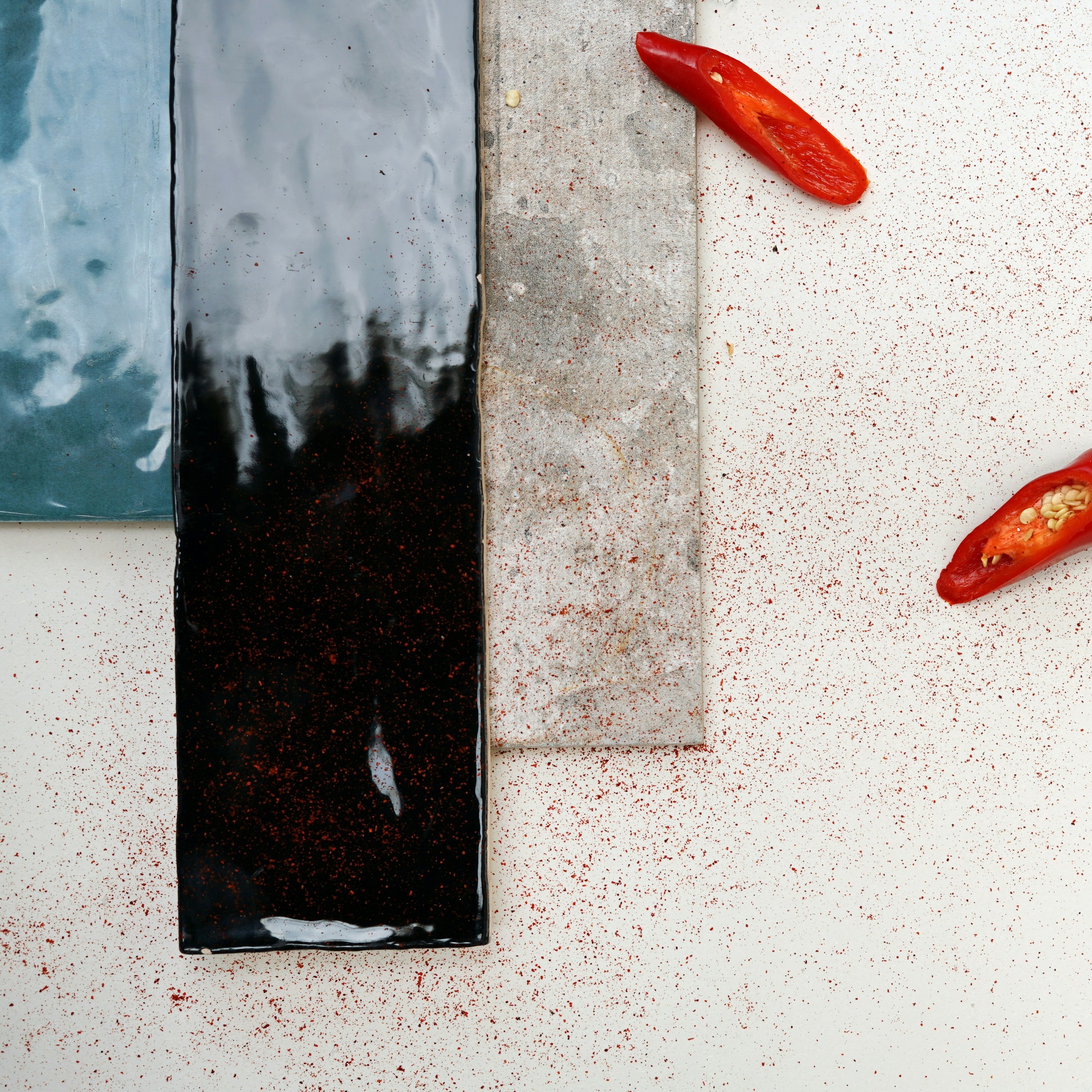
Product Basics
Flexible stone panels are a new generation of eco-friendly building materials designed to replicate the feel and look of natural stone while remaining lightweight and adaptable. They are created by forming, baking, printing, and cutting a blend of inorganic materials and glass fiber mesh into sheets, bobinas, o bloques.
We have six main series, namely Travertine Series, Serie de piedra natural, Serie de textura de piedra artística, Serie de tableros de cemento, Wood Grain Series, Split Brick Series.
- It starts with soil, polvo de piedra, ceniza volcánica, and other inorganic minerals carefully collected from nature.
- These particles are crushed into a fine powder and coated with eco-friendly surfactants, which enhance bonding strength and minimize environmental impact.
- The treated material is pressed into silicone molds together with fiberglass mesh, which gives the panel its backbone and natural 3D stone texture.
- Each sheet is baked at controlled temperatures between 160 °C and 200°C for about 6 horas, creating panels that stay stable even in hot, humid, or challenging climates.
- High-resolution printing adds realistic veining and patterns, then a protective seal is applied to resist UV damage and stains.
- High-guality flexible stone panels begin with clean, consistent mineral powders and reinforced fiberglass mesh.
- Anyone can print a stone pattern, but not everyone can make it feel like one. Touch a Vista panel and you’ll sense it — each layer of ink sits exactly where it should, forming veins that look almost geological.
- Each batch of high-quality products should have consistent flexibility and thickness. You can observe whether the thickness of the left and right sides of the same panel is consistent and whether the softness of the product is consistent.
4. High-quality panels should bond smoothly to surfaces without peeling, bubbling, or producing hollow sounds after installation.
5. Premium panels undergo fire and stain testing to verify long-term performance.
With four generations of 3D online printers and industry-leading 3D printing technology, we have a more scientific and reasonable printing line process, faster printing speed and clarity, and we maintain quality control of each batch of products.
Because each step (from eco treatment to curing and sealing) is designed to make sure your walls, facades, or interiors hold their finish for years without warping, peeling, or fading. It’s natural stone aesthetics, engineered for the realities of modern construction.
- Maintain the visual appeal of real stone.
- Does not require complex handling.
- Can be installed with ease.
- Lightweight and thin (2mm-5mm thick only).
Yes, our products undergo chemical corrosion tests and resistance tests to artificial aging according to China’s standards.
Aplicaciones & Design
1.Interior Walls
Ideal for living rooms, bedrooms, and offices where you want to add warmth and depth.
2.Background Walls
Perfect for TV walls, reception counters, or dining spaces where lighting can highlight textures.
3.Old Wall Renovation
Can be applied directly over existing surfaces—saving time, cost, and demolition debris.
Our products can be used for wall covering, but are not recommended for use on flooring.
No, we do not recommend using it in shower rooms or wet rooms, as our products are not designed to be exposed to large amounts of moisture for extended periods of time.
Technical Data & Certification
We offer 9 sizes to choose from, also customize product sizes according to customer needs.
Taking the 1200x600mm Travertine series as an example, we can have a full load 24cbm, which is a total of 3870 square meters.
The weight of each series is different, taking Australian sandstone as an example, a piece of 1200x600 mm weighs about 3 kg, and a piece of 24001200 mm weighs about 11 kg.
The thickness of each series is different. Por ejemplo, the thickness of Travertine is about 3±0.5 mm, and the thickness of Rough Granite is 3-5 mm.
Purchasing & Services
We specialize in B2B sales. You can purchase directly from us as a:
- Project Importer / Contractor
- Wholesaler or Distributor
- OEM Partner
Please submit a quote request or contact our sales team for partnership details and volume.
Yes, free samples will be provided.
Instalación & Maintenance
- La base debe estar seca y limpia.. Las paredes nuevas deben estar completamente curadas., mientras que los más antiguos pueden necesitar quitar la pintura descascarada y reparar las grietas o agujeros. Cualquier desnivel superior a tres milímetros a lo largo de dos metros puede crear huecos en el futuro..
- No se recomienda el mortero de cemento estándar porque encoge y puede provocar el desprendimiento de los paneles.. Un adhesivo para baldosas flexible mejorado con polímeros es la opción adecuada.
3. Dejar 1.5 a 3 milímetros entre hojas. Los espaciadores ayudan a mantener juntas uniformes y evitan que se pandeen a medida que el material se expande y contrae..
4. Extienda el adhesivo uniformemente con una llana dentada., presione los paneles firmemente en su lugar, y utilice un mazo de goma o una herramienta vibratoria para garantizar un contacto total y eliminar las bolsas de aire.. Cualquier adhesivo que se filtre sobre la superficie debe limpiarse inmediatamente con un paño húmedo..
5. Haga esto moviendo la presión hacia arriba y hacia abajo.. Luego puede usar cinta adhesiva para proteger los espacios de ambos lados., luego llene el espacio con un agente calafateador.
- La limpieza rutinaria con un paño húmedo ayuda a eliminar el polvo cotidiano., mientras que un limpiador con pH neutro funciona mejor para las manchas difíciles.
- Evite los productos químicos agresivos como la lejía., ácidos, o álcalis fuertes, ya que pueden opacar o dañar el aspecto natural de la piedra..
- Curing and protection Allow 24–72 hours for adhesives to fully set, y garantizar que las nuevas instalaciones no sean arrastradas por la lluvia durante al menos 48 horas.
- Inspección anual de juntas., bordes, y el adhesivo garantiza la detección temprana del desgaste, evitando costosas reparaciones posteriores.
- No es necesario remojarlo antes de la instalación., a diferencia de las tradicionales tejas de barro.
Sheet Metal/Oriented Strand Board/Old Tile/Keel/Blank Wall
La limpieza rutinaria con un paño húmedo ayuda a eliminar el polvo cotidiano., mientras que un limpiador con pH neutro funciona mejor para las manchas difíciles.
Evite los productos químicos agresivos como la lejía., ácidos, o álcalis fuertes, ya que pueden opacar o dañar el aspecto natural de la piedra..